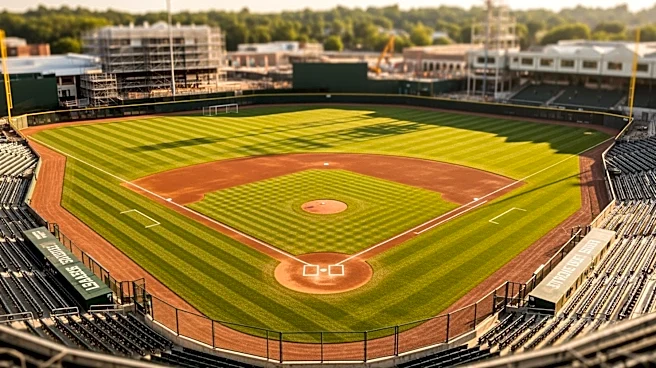






Wrigley Field, the historic home of the Chicago Cubs, has undergone numerous renovations and upgrades over the years to preserve its legacy while adapting to modern needs. Known for its iconic features and rich history, the stadium has been the focus of extensive renovation projects aimed at enhancing its functionality and fan experience. This article details the renovation journey of Wrigley Field, highlighting key projects and modern upgrades that
have transformed the stadium.
The 1060 Project: A Comprehensive Renovation
In 2009, the Ricketts family purchased the Chicago Cubs and Wrigley Field, initiating a comprehensive renovation plan known as the 1060 Project. Named after the stadium's Addison Street address, the project aimed to modernize Wrigley Field while preserving its historic features. The renovation was projected to cost $575 million and was divided into four phases, each focusing on different aspects of the stadium.
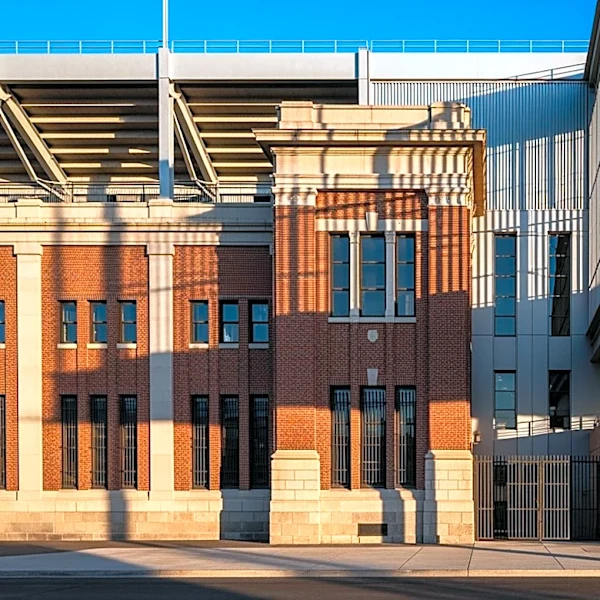
The initial plan included improvements to the stadium's facade, infrastructure, restrooms, concourses, suites, press box, bullpens, and clubhouses. Additionally, the project introduced new restaurants, patio areas, batting tunnels, and a jumbotron, enhancing the overall fan experience. The renovations were funded through advertising revenue and increased corporate sponsorship, with new signage placed in and around the stadium.
Key Upgrades and Enhancements
One of the most significant upgrades during the renovation was the expansion of the bleachers and the installation of new video boards. The left and right field bleachers were extended further onto Waveland and Sheffield Avenues, increasing seating capacity and improving sightlines for fans. A 3,990-square-foot jumbotron was installed above the left field bleachers, providing enhanced viewing experiences and interactive features.
The renovation also included the construction of new locker rooms and lounges for players, located in an underground area along Clark Street. This modern facility offers state-of-the-art amenities for players, including strength and conditioning areas, training and hydrotherapy sections, and media centers. The previous clubhouse space was repurposed to enlarge the dugout and add underground batting cages and team office space.
Preserving History While Embracing Modernity
Throughout the renovation journey, the Cubs have been committed to preserving Wrigley Field's historic features while embracing modernity. The architectural team, including DAIQ Architects and Harboe Architects, focused on maintaining the stadium's 1930s characteristics while implementing modern upgrades. The structural engineering team, Thornton Tomasetti, designed the steel framework to support new construction while preserving the existing structure.
The renovation projects have ensured that Wrigley Field remains a beloved landmark in Chicago, offering fans a unique blend of history and modernity. The stadium's iconic features, such as the ivy-covered walls and manual scoreboard, continue to draw visitors from around the world, making Wrigley Field a cherished part of Chicago's cultural heritage.