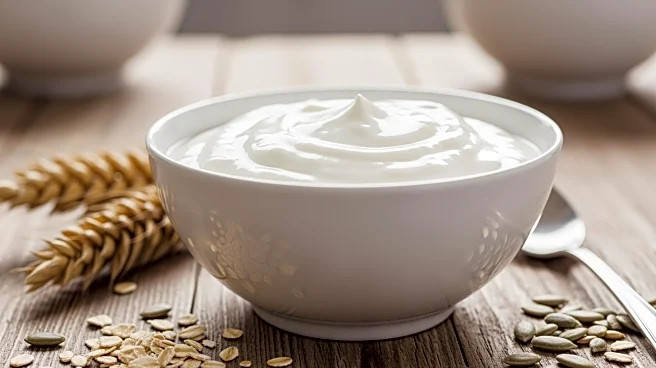

Skyr, a traditional Icelandic dairy product, is celebrated for its nutritional benefits and unique production process. Known for its high protein content and low fat, skyr is often compared to strained
yogurt but offers a distinct flavor and texture. This article explores the nutritional profile of skyr and the meticulous process involved in its production.
Nutritional Benefits of Skyr
Skyr is a high-protein, low-fat dairy product made from low-fat milk. Unflavored skyr contains approximately 13 grams of protein, 4 grams of carbohydrates, and a mere 0.2 grams of fat per 100 grams. This nutritional profile makes skyr an excellent choice for those seeking a protein-rich, low-fat option in their diet.
The high protein content in skyr is primarily due to the use of skimmed milk and the fermentation process, which concentrates the protein. This makes skyr particularly appealing to athletes and fitness enthusiasts looking for a nutritious snack that supports muscle recovery and growth.
The Production Process of Skyr
The production of skyr begins with skimmed milk, which is either pasteurized or heated to at least 72–75 °C for 15–20 seconds. The milk is then cooled to 37 °C, and a small portion of a previous batch of skyr is added to introduce the essential bacterial culture. Rennet is also added, causing the milk to curdle.
The mixture is left to ferment for about five hours before being cooled to 18 °C. The final step involves straining the product through fabric to remove the liquid whey, resulting in the thick, creamy texture characteristic of skyr. Bacteria such as Streptococcus thermophilus and Lactobacillus delbrueckii subsp. bulgaricus play a crucial role in the fermentation process, ensuring the product's unique taste and texture.
Skyr's Role in a Healthy Diet
Skyr's nutritional benefits extend beyond its high protein content. It is also low in sugar and fat, making it a suitable option for those looking to reduce their intake of these nutrients. Additionally, the live bacterial cultures present in skyr contribute to gut health, supporting digestion and overall well-being.
As skyr continues to gain popularity worldwide, its nutritional profile and production process remain key factors in its appeal. Whether enjoyed as a snack, dessert, or part of a meal, skyr offers a delicious and nutritious option for health-conscious consumers.