


Bottled water is a convenient and popular choice for many consumers, but its environmental impact is a growing concern. The production, packaging, and disposal of bottled water contribute significantly to environmental degradation. This article explores the various ways in which bottled water affects the environment, highlighting the need for more sustainable practices.
Production and Resource Use
The production of bottled water is resource-intensive, requiring substantial amounts
of water and energy. On average, it takes 1.32 liters of water to produce just one liter of bottled water. This includes the water used in the bottling process and facility maintenance. While bottled water uses less water than other beverages like beer and wine, its production still represents a significant portion of annual water consumption.
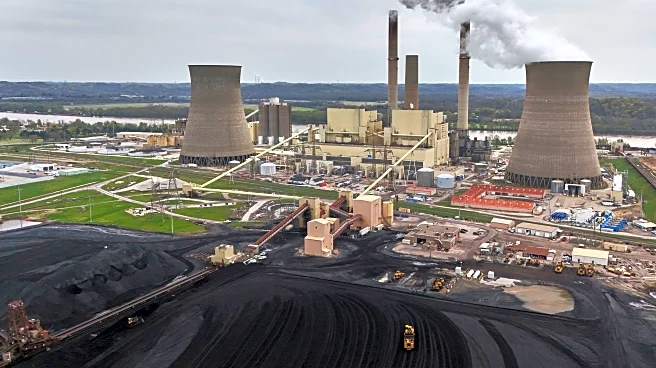
Energy consumption is another critical aspect of bottled water production. The lifecycle of bottled water, from production to transportation, consumes vast amounts of energy. In the United States, the bottled water industry uses approximately 31.5 TWh of energy annually, contributing to carbon emissions and climate change. Critics argue that the industry should consider the total water footprint, including the water used in packaging production.
Packaging and Waste
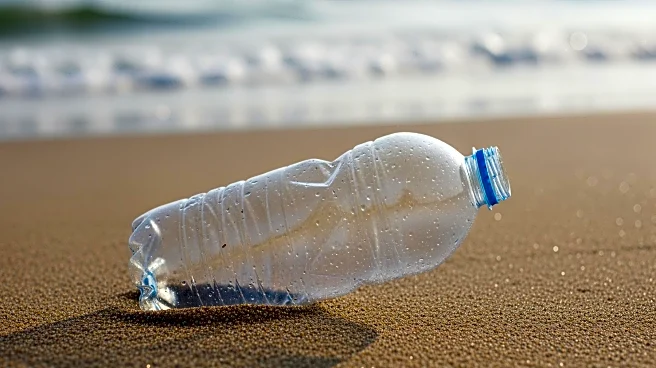
The packaging of bottled water, primarily in PET plastic bottles, poses a significant environmental challenge. Although PET is recyclable, recycling rates vary, and many bottles end up in landfills. In 2014, the recycling rate for PET packaging in the U.S. was only 32%, indicating a substantial amount of plastic waste.
Efforts to reduce the environmental impact of bottled water packaging include using less plastic and exploring alternative materials. Some companies have introduced bottles made from plant-based plastics, which are compatible with standard recycling processes. However, the production of these materials still requires energy and resources, highlighting the need for comprehensive solutions to reduce waste.
Moving Towards Sustainability
The bottled water industry is taking steps to address environmental concerns, but challenges remain. Initiatives like Dasani's PlantBottle, which incorporates plant-derived plastics, aim to reduce plastic waste. Additionally, the introduction of aluminum cans and refill programs like Dasani Purefill offer alternatives to single-use plastic bottles.
Despite these efforts, the environmental impact of bottled water remains significant. Consumers and companies must work together to promote sustainable practices, such as increasing recycling rates and reducing reliance on single-use plastics. As awareness of environmental issues grows, the bottled water industry faces pressure to innovate and adopt more eco-friendly solutions.