




Lawn mowers have played a pivotal role in shaping modern landscaping practices. Since their invention, these machines have revolutionized the way we maintain green spaces, from residential lawns to expansive sports fields. The development and widespread use of lawn mowers have not only made lawn care more efficient but have also influenced the aesthetics and functionality of outdoor environments.
Transforming Lawn Maintenance
Before the invention of the lawn mower, maintaining
a neat and even lawn was a labor-intensive task, often requiring the use of scythes or grazing animals. The introduction of the lawn mower in the 19th century changed this dynamic, providing a more efficient and precise method for cutting grass. This innovation allowed for the creation of well-manicured lawns, which became a symbol of status and beauty in residential areas.
The ability to easily maintain lawns led to the popularization of lawn sports, such as tennis and golf, which require meticulously kept grass surfaces. Lawn mowers enabled the development of these sports by providing a reliable means of maintaining the necessary playing conditions, thus contributing to their growth and popularity.
Enhancing Public and Commercial Spaces
Lawn mowers have also had a significant impact on public and commercial spaces. Parks, sports stadiums, and university campuses benefit from the use of commercial-grade mowers, which can efficiently cover large areas. These machines ensure that public green spaces are well-maintained, providing aesthetically pleasing and functional environments for recreation and relaxation.
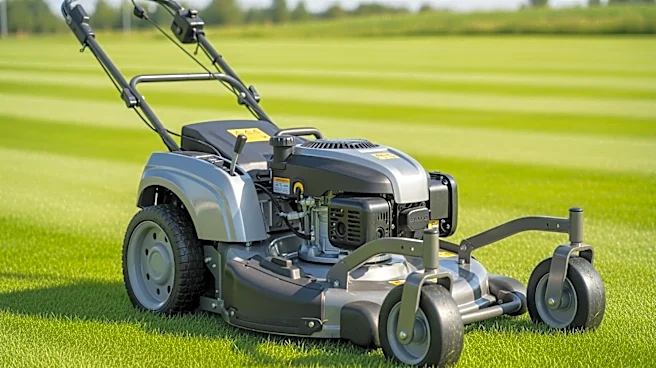
The introduction of wide-area mowers and zero-turn mowers has further enhanced the maintenance of large green spaces. These advanced machines offer high speed and maneuverability, allowing for quick and efficient mowing of extensive areas. As a result, public spaces can be kept in pristine condition, enhancing their appeal and usability.
Environmental Considerations
While lawn mowers have greatly improved landscaping practices, they also present environmental challenges. Gasoline-powered mowers contribute to air pollution and greenhouse gas emissions, prompting a shift towards more sustainable alternatives. Electric and robotic mowers offer cleaner options, reducing emissions and noise pollution.
The development of battery-powered mowers and the implementation of emission standards have helped mitigate the environmental impact of lawn care. As technology continues to advance, the landscaping industry is likely to see further innovations that balance efficiency with environmental responsibility.
Overall, lawn mowers have had a profound impact on modern landscaping, transforming the way we maintain and enjoy green spaces. As we continue to seek sustainable solutions, these machines will remain an integral part of our efforts to create beautiful and functional outdoor environments.