
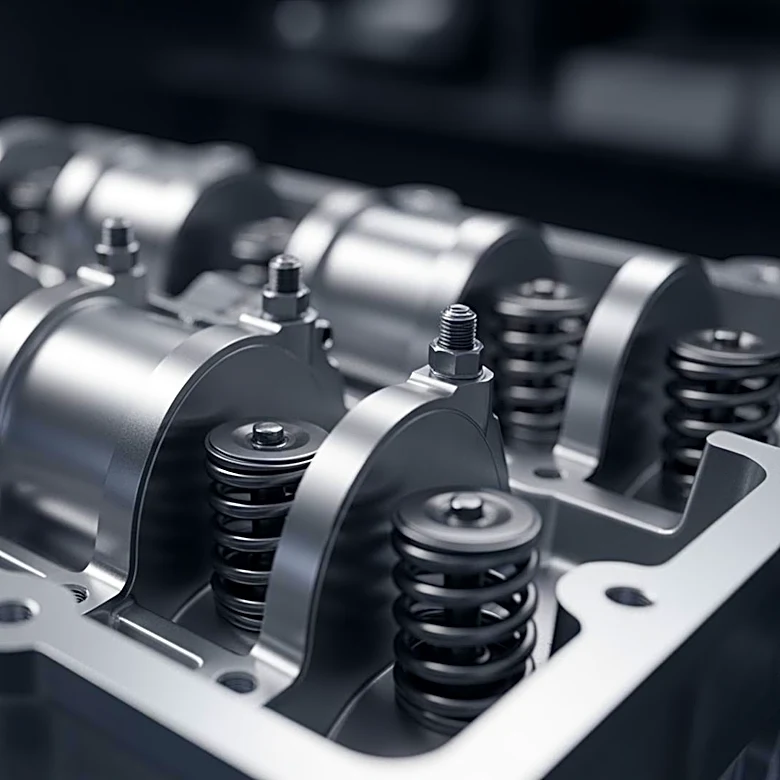

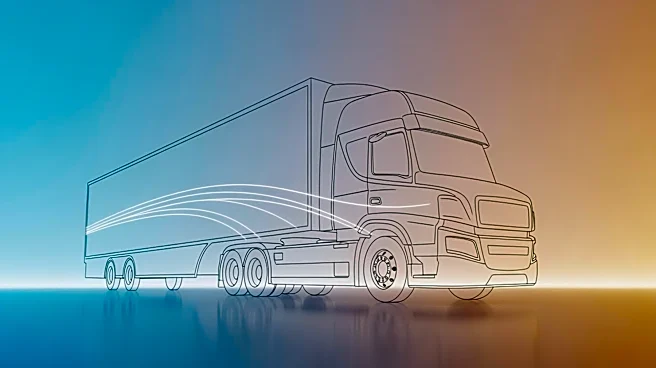
Stratified charge engines have played a pivotal role in the evolution of internal combustion technology. By allowing for more efficient fuel combustion, these engines have paved the way for modern advancements in automotive engineering. This article explores the historical development of stratified charge engines and their impact on the automotive industry.
Early Innovations and Development
The concept of stratified charge engines dates back to the late 19th century. George Brayton,
in 1887, was among the first to experiment with direct fuel injection, a key component of stratified charge technology. His work laid the foundation for future developments by demonstrating the potential of injecting fuel directly into the combustion chamber at the moment combustion is required.
In the early 20th century, Harry Ricardo further advanced the idea of lean burn stratified charge engines. His work in the 1920s improved upon earlier designs, focusing on achieving more efficient combustion through better fuel-air mixing. This period marked the beginning of a more systematic approach to engine design, emphasizing efficiency and performance.
Mid-20th Century Advancements
The mid-20th century saw significant advancements in stratified charge technology. The Hesselman engine, developed by Swedish engineer Jonas Hesselman in 1925, was an early example of gasoline direct injection. This engine used an ultra-lean burn principle, injecting fuel at the end of the compression stroke and igniting it with a spark plug. The Texaco Controlled Combustion System (TCCS) in the 1950s further refined this concept, offering a multifuel system that improved fuel economy by about 35%.
Honda's CVCC engine, introduced in the 1970s, was another milestone in stratified charge technology. It gained wide market acceptance for its ability to produce high power-to-weight ratios while maintaining fuel efficiency. The CVCC system used a supplementary inlet valve to charge an area around the spark plug, ensuring complete ignition of the main charge.
Modern Applications and Impact
Today, stratified charge engines are integral to modern automotive engineering. Volkswagen's TFSI engines and Mercedes-Benz's Blue DIRECT system are prime examples of how this technology has been refined and integrated into contemporary vehicles. These engines offer improved fuel efficiency, reduced emissions, and enhanced performance, making them a popular choice among manufacturers and consumers alike.
The impact of stratified charge engines extends beyond just performance improvements. By enabling more efficient fuel use, these engines contribute to environmental sustainability by reducing the carbon footprint of vehicles. As automotive technology continues to evolve, stratified charge engines will likely remain a cornerstone of innovation, driving further advancements in efficiency and performance.