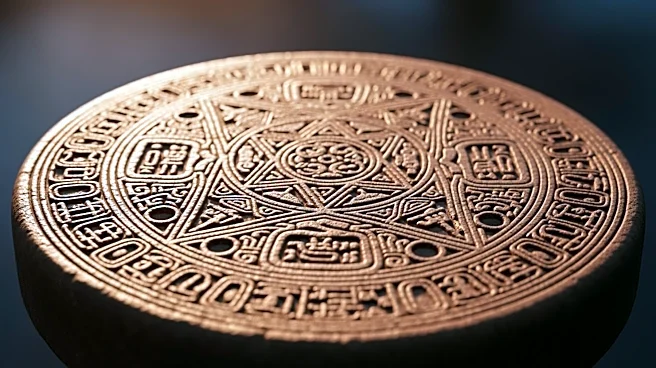









The Maya civilization is renowned for its intricate and precise calendar systems, which played a crucial role in their society. These calendars were not only used for tracking time but also for agricultural, religious, and astronomical purposes. This article explores the different types of Maya calendars and their significance in the daily lives and spiritual practices of the Maya people.
The Long Count Calendar
The Long Count calendar is one of the most famous and complex
systems developed by the Maya. It is a count of days that allowed the Maya to track long periods of time with remarkable accuracy. The Long Count was particularly notable for its ability to predict celestial events, such as solar eclipses and the movements of Venus. This precision was essential for agricultural planning and played a significant role in religious ceremonies and the legitimization of rulers.
The Long Count calendar was based on a series of cycles, with the mythical creation date set at 13.0.0.0.0. This system allowed the Maya to record historical events and project future dates, demonstrating their sophisticated understanding of time and astronomy.
The Tzolk'in and Haab' Calendars
The Tzolk'in is a 260-day calendar made up of a combination of 13 numbers and 20 day names, resulting in 260 unique days. This calendar was used to observe lunar phenomena and determine agricultural cycles. It was considered sacred and played a vital role in religious practices, specifying dates for ceremonies and celebrations.
The Haab' is a 365-day calendar consisting of 18 months of 20 days each, with an additional five unlucky days at the end of the year. When combined with the Tzolk'in, it formed a calendar round that repeated every 52 years. This system was used for civil purposes and helped the Maya synchronize their activities with the solar year.
The Cultural and Religious Significance of Maya Calendars
Maya calendars were deeply intertwined with their culture and religion. They were used to determine the timing of agricultural activities, religious ceremonies, and other important events. The calendars also played a role in the Maya's understanding of the cosmos and their place within it.
The precision and complexity of the Maya calendars are a testament to their advanced knowledge of astronomy and mathematics. These systems allowed the Maya to organize their society and maintain a connection with the divine, reflecting the importance of time and celestial events in their worldview. The legacy of the Maya calendars continues to fascinate scholars and enthusiasts alike, highlighting the ingenuity and sophistication of this ancient civilization.