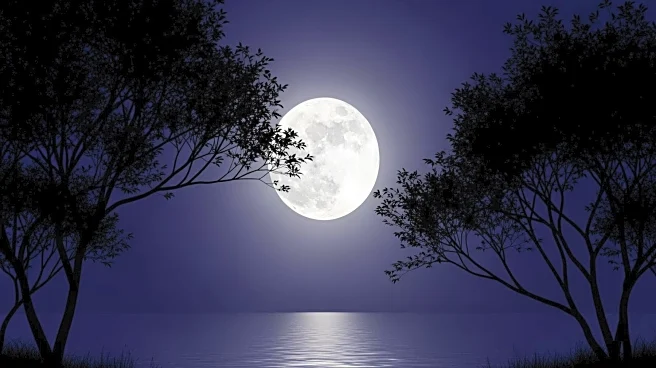




The full moon has captivated human imagination and spirituality for centuries. Its bright, luminous presence in the night sky has inspired countless myths, legends, and cultural practices around the world. From religious festivals to folklore, the full moon holds a special place in the cultural fabric of many societies.
Full Moon in Religious Observances
In many cultures, the full moon is a time of spiritual significance and celebration. In Buddhism, the full moon day of the Vaisakha
month is celebrated as Vesak, marking the birth, enlightenment, and death of the Buddha. This festival is a time for reflection, meditation, and acts of kindness.
Similarly, in Hinduism, the full moon, or "purnima," is considered an auspicious time for various festivals. Different regions in India celebrate these full moon days with unique traditions and rituals, often involving fasting, prayer, and community gatherings. These observances highlight the full moon's role as a symbol of completeness and spiritual fulfillment.
Folklore and Superstitions
The full moon has also been the subject of numerous superstitions and folklore. In Western cultures, it is often associated with madness and supernatural events, giving rise to terms like "lunacy" and "lunatic." Folklore suggests that the full moon can influence human behavior, leading to insomnia or heightened emotions.
Despite these beliefs, scientific studies have not consistently supported the idea that the full moon affects human behavior. Nonetheless, the full moon continues to be a powerful symbol in storytelling and popular culture, often depicted as a time when magical or mysterious events occur.
Full Moon Festivals and Traditions
Many cultures have specific names and traditions associated with the full moon. In the Northern Hemisphere, the "harvest moon" and "hunter's moon" are traditional names for the full moons in late summer and autumn. These names reflect the agricultural practices and seasonal changes observed by communities.
The harvest moon, for example, is the full moon closest to the autumnal equinox and is associated with the time of harvest. Its bright light was historically used by farmers to extend their working hours into the night. Similarly, the hunter's moon follows the harvest moon and is linked to hunting and preparation for winter.
These cultural associations with the full moon demonstrate its enduring impact on human societies. Whether through religious observances, folklore, or seasonal traditions, the full moon continues to inspire and influence cultures around the world.