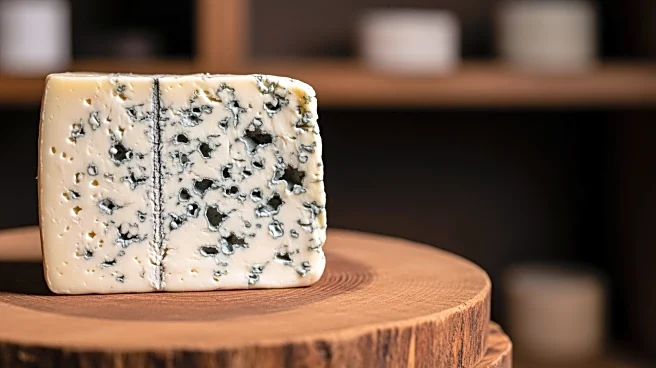

Blue cheese is a unique type of cheese that stands out due to its blue veins, which are created by the introduction of Penicillium mold during the production process. This mold is responsible for the distinct
appearance and flavor of blue cheese, making it a favorite among cheese lovers. The production of blue cheese involves several steps that contribute to its final taste and texture. This article explores the intricate process of making blue cheese and the essential role of Penicillium mold.
The Role of Penicillium Mold
Penicillium mold is a crucial component in the production of blue cheese. It is introduced during the cheese-making process, where it interacts with the milk to create the characteristic blue veins. The mold not only affects the appearance of the cheese but also its flavor, imparting a tangy and sharp taste that is unique to blue cheese.
The mold is carefully cultivated and added to the cheese curds, where it begins to grow and develop. This process requires precise control of temperature and humidity to ensure the mold thrives and produces the desired flavor profile. The presence of Penicillium mold is what sets blue cheese apart from other types of cheese, making it a distinctive and sought-after variety.
The Aging Process
Aging is a critical step in the production of blue cheese, as it allows the flavors to develop and mature. During this period, the cheese is stored in controlled environments where the mold continues to grow and interact with the cheese. The length of the aging process can vary, with some blue cheeses aged for several months to achieve a more intense flavor.
The aging process also affects the texture of the cheese, with longer aging resulting in a creamier and softer consistency. This transformation is essential for creating the rich and complex flavors that blue cheese is known for. The careful management of the aging process is a testament to the skill and expertise required to produce high-quality blue cheese.
Milk Selection and Its Impact
The type of milk used in blue cheese production plays a significant role in the final product. Blue cheese can be made from cow, sheep, or goat milk, each offering different characteristics. Cow's milk tends to produce a milder flavor, while sheep's milk results in a richer and more robust taste. Goat milk, on the other hand, provides a distinct tanginess that is favored by some.
The choice of milk affects not only the flavor but also the texture and appearance of the cheese. Producers select the type of milk based on the desired outcome, ensuring that each variety of blue cheese has its own unique qualities. This diversity in milk selection contributes to the wide range of blue cheese available, catering to different preferences and palates.