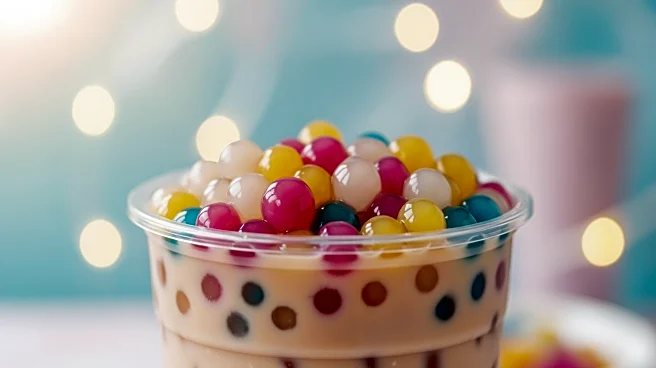



Bubble tea, also known as boba tea, has become a beloved beverage across the United States. Introduced by Taiwanese immigrants in the 1990s, this unique drink quickly captured the taste buds of many Americans. Initially making its way into the country through California, bubble tea has since spread nationwide, becoming a staple in many communities.
Early Beginnings in California
The journey of bubble tea in the United States began in the 1990s when Taiwanese immigrants brought this
innovative drink to California. The first stand-alone bubble tea shops appeared in Southern California, particularly in areas like Arcadia and Cupertino. These early establishments laid the groundwork for what would become a widespread trend. The drink's unique combination of tea, milk, and chewy tapioca pearls intrigued many, leading to a growing interest in this Taiwanese specialty.
As bubble tea gained popularity, several chains emerged to meet the increasing demand. Tapioca Express, Quickly, Lollicup, and Happy Lemon were among the first to capitalize on the trend, opening numerous locations across California. These chains played a crucial role in popularizing bubble tea, making it more accessible to a broader audience.
Nationwide Expansion
The success of bubble tea in California set the stage for its expansion across the United States. As the drink's popularity grew, it began to appear in other regions, including the Northeast and Southwest. This expansion was facilitated by the opening of new bubble tea shops and the introduction of the drink in existing cafes and restaurants.
Bubble tea's appeal extended beyond the Asian American community, attracting a diverse customer base. Its unique flavors and customizable options made it a hit among young people, who appreciated the drink's novelty and versatility. The rise of social media further fueled its popularity, with many sharing their bubble tea experiences online.
Cultural Impact and Identity
Bubble tea has become more than just a beverage in the United States; it has evolved into a cultural phenomenon. For many Asian Americans, bubble tea represents a connection to their heritage and a symbol of cultural identity. The drink has also become a social activity, with friends gathering at bubble tea shops to enjoy a cup together.
The term "boba life" has emerged to describe the lifestyle and community surrounding bubble tea. This subculture reflects the drink's significance in the lives of many, serving as a point of pride and a way to express cultural identity. As bubble tea continues to grow in popularity, it remains a testament to the power of cultural exchange and the blending of traditions.