

Kukkutasana, or the Cockerel Pose, is more than just a physical exercise; it is a symbol of balance and strength in the practice of yoga. Derived from the seated Padmasana, this arm-balancing asana challenges practitioners to find equilibrium and stability, both physically and mentally. Its symbolic significance is rooted in its historical presence in yoga texts and its continued relevance in modern practice.
The Symbolism of Kukkutasana
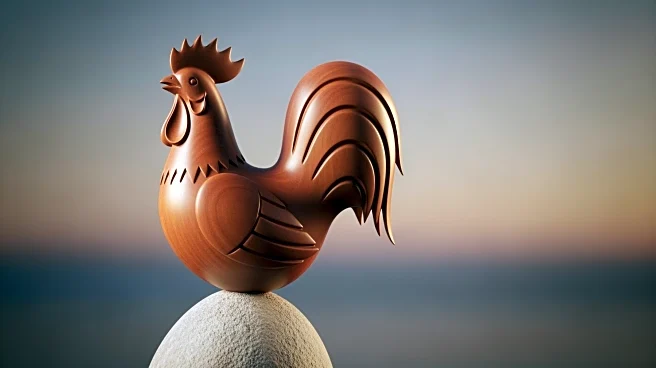
The name Kukkutasana, meaning "cockerel,"
evokes images of a rooster standing tall and proud, embodying qualities of alertness and balance. In yoga, this pose symbolizes the practitioner's ability to maintain stability and poise amidst challenges. The act of balancing on one's hands while in the lotus position requires concentration and inner strength, reflecting the mental and spiritual aspects of yoga.
Historically, Kukkutasana has been described in medieval hatha yoga texts, highlighting its importance in the spiritual journey of yoga practitioners. These texts emphasize the pose's role in cultivating focus and discipline, qualities that are essential for achieving higher states of consciousness in yoga.
Physical Aspects and Technique
Kukkutasana is entered from Padmasana, with the hands threaded through behind the knees and the weight of the body supported by the hands pressed down on the floor. The arms remain straight, requiring significant upper body strength and balance. This physical challenge is a testament to the pose's ability to develop both physical and mental resilience.
The technique of Kukkutasana demands precision and control, encouraging practitioners to engage their core muscles and maintain steady breathing. These physical aspects of the pose contribute to its symbolic representation of strength and balance, as practitioners learn to harmonize their body and mind.
Variations and Modern Interpretations
Modern yoga practice has introduced variations of Kukkutasana, such as Urdhva Kukkutasana and Parsva Kukkutasana, each offering unique challenges and benefits. Urdhva Kukkutasana involves holding the body nearly horizontal, while Parsva Kukkutasana adds a twist to the pose, further testing the practitioner's balance and flexibility.
These variations allow practitioners to explore different dimensions of Kukkutasana, deepening their understanding of balance and strength. The adaptability of the pose in modern yoga reflects its enduring significance, as practitioners continue to embrace its symbolic and physical aspects.
Kukkutasana remains a powerful symbol of balance and strength in yoga, inviting practitioners to explore the depths of their physical and mental capabilities. Through this pose, yoga enthusiasts connect with the rich tradition of yoga, finding harmony and resilience in their practice.