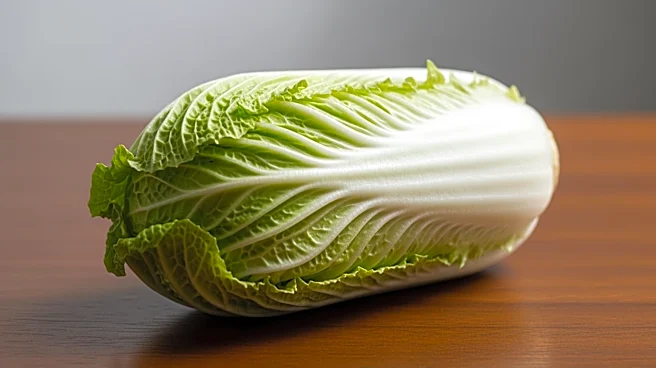




Chinese cabbage, a staple in Asian cuisine, holds significant cultural and culinary importance. Known for its versatility and mild flavor, it is used in a variety of dishes across China and other parts of Asia. The history and cultural impact of Chinese cabbage are deeply intertwined with the culinary traditions of these regions.
Historical Roots and Popularity
Chinese cabbage, specifically the napa and bok choy varieties, has been cultivated in China since before the 15th century.
It was primarily grown in the Yangtze River Delta region, where it gained popularity due to its medicinal qualities. The Ming dynasty naturalist Li Shizhen played a crucial role in popularizing Chinese cabbage by highlighting its health benefits.
Over time, the cultivation of napa cabbage spread to northern China, where it became a staple in local cuisine. It was exported back to southern regions and traded as far south as Guangdong. This widespread cultivation and trade helped establish Chinese cabbage as a key ingredient in Chinese cooking.
Culinary Traditions and Uses
Chinese cabbage is integral to many traditional dishes. In Northeastern China, napa cabbage is used to make suan cai, a type of Chinese sauerkraut. This dish is a staple in the region and showcases the cabbage's ability to absorb flavors and retain its texture. In Korea, napa cabbage is used to make baek-kimchi, which evolved into the well-known kimchi.
Bok choy, another variety of Chinese cabbage, is popular in southern China and Southeast Asia. It is often used in stir-fries and soups, adding a mild flavor and crunchy texture to dishes. Bok choy's adaptability makes it a favorite in many Asian cuisines, where it complements a wide range of ingredients.
Global Influence and Modern Applications
Today, Chinese cabbage is found in markets worldwide, catering to both the Chinese diaspora and regions that appreciate its resistance to cold. Its global presence reflects its cultural significance and culinary versatility. In 2017, Chinese cabbage even made its way to the International Space Station, where it was grown for scientific study and crew consumption.
The cultural impact of Chinese cabbage extends beyond its culinary uses. It represents a connection to traditional practices and regional identities. As Chinese cabbage continues to be embraced globally, it serves as a reminder of the rich cultural heritage and culinary innovation that it embodies.