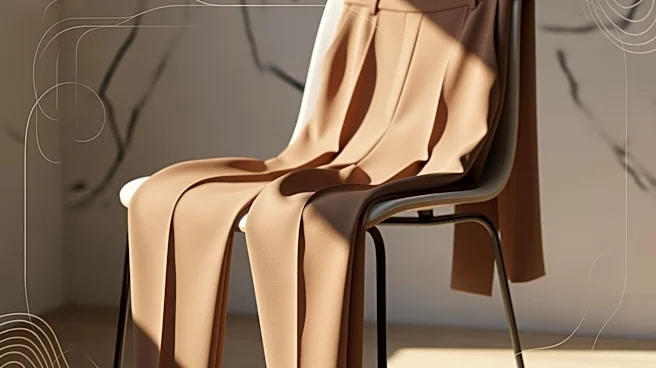





Trousers, a staple in modern wardrobes, have a rich history that dates back thousands of years. Originally designed for practicality and comfort, trousers have evolved significantly over time, reflecting changes in culture, technology, and fashion. This article explores the journey of trousers from their ancient origins to their current status as a versatile garment worn by people worldwide.
Ancient Beginnings
The earliest known trousers were discovered in the Yanghai
cemetery in Turpan, Xinjiang, China, dating back to between the thirteenth and tenth centuries BC. These woolen trousers were likely designed for horseback riding, featuring straight legs and wide crotches. In Europe, trousers have been worn since ancient times, with evidence of their use by various cultures, including the Scythians and other Iranian peoples. These early trousers were practical garments, providing warmth and protection for those who wore them.
In ancient Greece and Rome, trousers were less common, as these cultures favored tunics and togas. However, as the Roman Empire expanded, the practicality of trousers became more apparent, especially in colder regions. By the time of the Roman Republic, trousers had become more widely accepted, particularly among soldiers and those living in colder climates.
Medieval and Early Modern Developments
During the Medieval period, trousers continued to evolve, with various styles emerging across Europe. Loose-fitting trousers were common, often worn under long tunics. By the eighth century, it was common for men to wear two layers of trousers, with the under layer known as drawers. Over time, these garments became more tailored, with breeches becoming popular among the upper classes in early modern Europe.
The introduction of the Hufuqishe policy by King Wuling of Zhao during the Warring States period in China marked a significant development in trouser design. This policy led to the adoption of the Hufu-style trousers, which influenced the development of trousers in both China and other regions. These trousers featured a loose rise and were initially worn by military troops before becoming popular among the general population.
Modern Trousers and Cultural Shifts
The 19th and 20th centuries saw significant changes in trouser design and usage. The French Revolution popularized ankle-length trousers, known as pantaloons, as a symbol of the working class. By the mid-19th century, trousers had become a standard garment for men, with various styles emerging, including jeans, khakis, and dress pants.
In the 20th century, trousers became increasingly popular among women, particularly during World War II when women took on roles traditionally held by men. This shift in gender norms led to greater acceptance of trousers as a unisex garment. Today, trousers are available in a wide range of styles, fabrics, and fits, reflecting their versatility and enduring appeal in fashion.