



In biology, the term 'habit' encompasses various aspects of behavior and structure, providing insight into the predictable patterns of living organisms. This article explores the biological perspective on habits, focusing on animal behavior and plant growth forms, and how these habits adapt to environmental changes.
Animal Behavior and Habits
In zoology, habits refer to specific behavior patterns that can be adopted, learned, pathological, innate, or directly related to physiology.
These predictable behaviors are crucial for understanding how animals interact with their environment and adapt to changes.
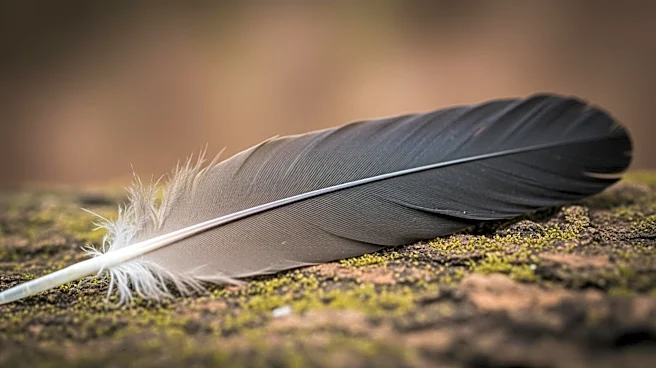
For example, the arboreal habit of spider monkeys, which rarely venture onto the forest floor, illustrates how certain species have evolved specific behaviors to thrive in their habitats. Similarly, the habit of feather plucking in sensitive parrots when kept in cages highlights how environmental conditions can influence animal behavior.
Plant Growth Forms and Habits
In botany, habit refers to the general appearance, growth form, or architecture of plants. This includes the classification of plants as woody or herbaceous, with further distinctions such as trees, shrubs, lianas, and climbing plants.
The habit of a plant can significantly impact its survival and reproduction. For instance, alpine plants with dwarf habits are often chosen for cultivation due to their ability to withstand harsh conditions. Understanding plant habits is essential for horticulture and conservation efforts, as it informs the selection and management of plant species.
Adaptation to Environmental Changes
Both animal and plant habits can change in response to environmental shifts, such as disease, habitat alteration, or climate change. These changes can be either pathological or adaptive, depending on the circumstances.
For animals, changes in habit may involve shifts in feeding behavior, locomotion, or activity periods. For plants, alterations in growth form or architecture may occur to better suit new environmental conditions. The ability to adapt habits is crucial for the survival of species in dynamic ecosystems.
Overall, the biological perspective on habits provides valuable insights into the behavior and structure of living organisms. By understanding these patterns, researchers can better predict how species will respond to environmental changes and develop strategies for conservation and management.