






Yankee Stadium, often referred to as "The House That Ruth Built," stands as a testament to early 20th-century engineering and architectural prowess. Built in 1923, this iconic stadium was the home of the New York Yankees for over eight decades. The construction of Yankee Stadium was a significant undertaking, involving meticulous planning and innovative design to create a venue that would become a symbol of American sports culture.
Planning the Stadium
The journey to build
Yankee Stadium began with the New York Yankees' search for a new home. After spending years at the Polo Grounds, the team sought a location that could accommodate their growing fan base. In February 1921, the Yankees announced the purchase of a ten-acre plot in the Bronx, just two kilometers from their previous location. This site was strategically chosen for its proximity to the subway line, ensuring easy access for fans.
The land was purchased from the estate of William Waldorf Astor for $675,000, a considerable sum at the time. The Yankees enlisted Osborn Engineering to design the stadium, envisioning a grand structure with three levels of stands surrounding the entire field. This design was groundbreaking, as it was the first baseball stadium to feature three balconies, providing seating for 58,000 spectators.
Building the Iconic Structure
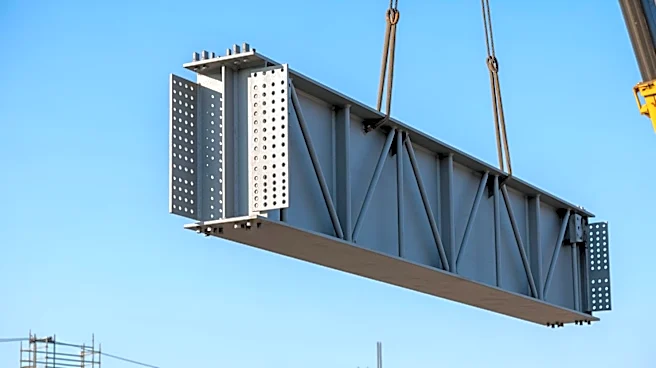
Construction of Yankee Stadium began on May 5, 1922, and was completed in a remarkable 284 days. The stadium was primarily built using steel and concrete, materials that ensured its durability and longevity. The rapid construction timeline was a feat of engineering, showcasing the efficiency and skill of the workers involved.
The stadium's design included several innovative features, such as the use of three tiers of seating, which allowed for a larger capacity than any other Major League Baseball stadium at the time. The choice of materials and the architectural design set a new standard for sports venues, influencing the construction of future stadiums across the country.
Opening Day and Legacy
Yankee Stadium officially opened its doors on April 18, 1923, with a game against the Boston Red Sox. The opening was a grand affair, drawing a massive crowd eager to witness the Yankees in their new home. Babe Ruth, the team's star player, hit the first home run in the stadium, further cementing its nickname as "The House That Ruth Built."
The stadium quickly became a beloved landmark, hosting not only baseball games but also football matches, boxing events, and concerts. Its construction marked a new era in sports architecture, blending functionality with grandeur. Yankee Stadium's legacy as a pioneering sports venue continues to be celebrated, even after its demolition in 2009, as it paved the way for modern stadium design.