





Yeast, a single-celled fungus, plays a crucial role in both baking and brewing. Known scientifically as Saccharomyces cerevisiae, this microorganism has been used since ancient times to ferment sugars, producing carbon dioxide and ethanol. This article delves into the specific functions of yeast in baking and brewing, highlighting its importance in these processes.
Yeast in Baking
In baking, yeast serves as a leavening agent, which means it helps dough rise. When
yeast ferments the sugars present in the dough, it produces carbon dioxide and ethanol. The carbon dioxide gas gets trapped in the dough, causing it to expand and become lighter and softer. This process is essential for creating the texture and volume of bread and other baked goods. The species Saccharomyces cerevisiae is commonly used as baker's yeast due to its effectiveness in this role.
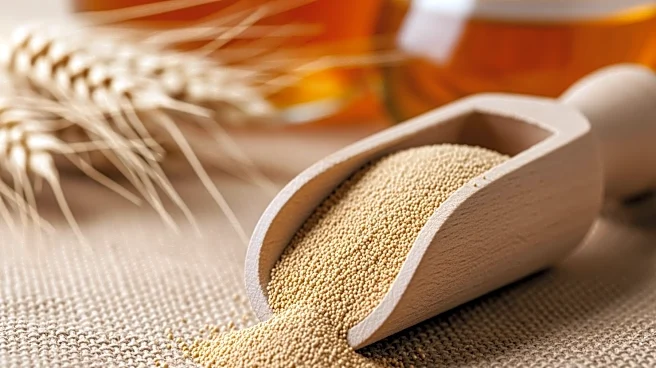
Baker's yeast is available in various forms, including active dry yeast, instant yeast, and fresh yeast. Each type has its own advantages, with active dry yeast being the most commonly available to non-commercial bakers in the United States. It consists of granules of yeast that need to be rehydrated before use. Instant yeast, on the other hand, can be mixed directly with dry ingredients, making it more convenient for some recipes.
Yeast in Brewing
In brewing, yeast is responsible for the fermentation process that turns wort into beer. Saccharomyces cerevisiae is often referred to as brewer's yeast when used in this context. During fermentation, yeast converts the sugars in the wort into alcohol and carbon dioxide, creating the alcoholic content and carbonation in beer. The type of yeast used can significantly affect the flavor and characteristics of the final product.
Brewer's yeast is categorized into two main types: top-fermenting and bottom-fermenting. Top-fermenting yeasts, like Saccharomyces cerevisiae, are used in ales and ferment at warmer temperatures. They tend to produce beers with a more complex flavor profile. Bottom-fermenting yeasts, such as Saccharomyces pastorianus, are used in lagers and ferment at cooler temperatures, resulting in a cleaner taste.
The Historical Significance of Yeast
The use of yeast in baking and brewing dates back to ancient times. It is believed that Saccharomyces cerevisiae was originally isolated from the skin of grapes. In antiquity, pure yeast cultures were unavailable, and mixtures of wild bacteria and yeasts were used instead. This often resulted in acidic products. However, empirical testing by brewers in the 15th century led to the discovery that boiling wort with hops produced a non-acidic beverage, as the boiling process killed unwanted bacteria.
The development of pure yeast strains in the 19th century revolutionized both baking and brewing. With advancements in microbiology, it became possible to isolate and propagate specific yeast strains, leading to more consistent and desirable results in both industries. Today, yeast remains an indispensable component in the production of bread and beer, showcasing its enduring importance in culinary and brewing traditions.