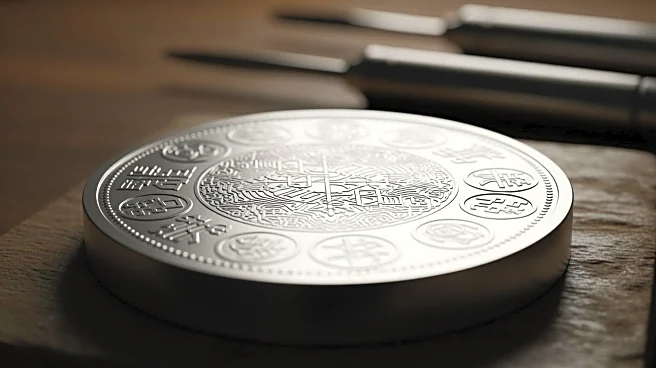




The Chief Engraver of the United States Mint has been a pivotal figure in shaping the artistic and symbolic elements of U.S. coinage. From the early days of the Mint to the present, the Chief Engraver's designs have reflected the nation's values and artistic trends. This article explores the influence of the Chief Engraver on U.S. coin design, highlighting key contributions and their lasting impact.
Artistic Contributions and Innovations
The Chief Engraver's role has always been deeply
intertwined with the artistic direction of U.S. coinage. Early Chief Engravers like Robert Scot and William Barber set the standard for coin design, incorporating classical motifs and national symbols. Scot's designs, such as the Liberty Cap half cent and the Flowing Hair dollar, were among the first to embody the ideals of liberty and independence.
Throughout the 19th and early 20th centuries, Chief Engravers continued to innovate, introducing new design elements and techniques. For instance, Charles E. Barber, who succeeded his father William Barber, was known for his intricate designs and attention to detail. His work on the Barber coinage series, including the Barber dime, quarter, and half dollar, showcased his ability to blend artistic elegance with practical functionality.
Symbolism and National Identity
The Chief Engraver's designs have also played a crucial role in conveying national identity and values. Coins often serve as miniature canvases for expressing themes of unity, freedom, and progress. The designs created by Chief Engravers have frequently incorporated symbols like the eagle, the olive branch, and the shield, each carrying deep national significance.
John R. Sinnock, who served as Chief Engraver from 1925 to 1947, designed the Roosevelt dime and the Franklin half dollar. His work exemplified the use of portraiture to honor significant American figures, further embedding the role of coins in national storytelling. Sinnock's designs, marked by their clarity and symbolism, continue to be celebrated for their artistic and cultural impact.
Legacy and Continuing Influence
The legacy of the Chief Engraver is evident in the enduring appeal of U.S. coinage. Each Chief Engraver has left a unique mark on the Mint's history, contributing to a rich tapestry of designs that reflect the nation's evolving identity. Today, the Chief Engraver continues to influence coin design, ensuring that each piece of currency is not only a medium of exchange but also a work of art.
As the United States Mint looks to the future, the Chief Engraver's role remains vital in preserving the artistic integrity and symbolic power of U.S. coinage. Through their work, Chief Engravers help to maintain a connection between the nation's past, present, and future, one coin at a time.