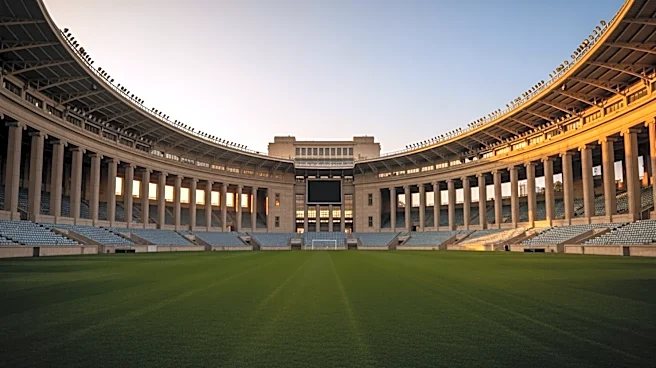






Soldier Field is more than just a stadium; it is a cultural and social landmark in Chicago. Since its opening in 1924, it has played a significant role in the city's community life, hosting a wide range of events that have brought people together. This article explores the cultural and social impact of Soldier Field, highlighting its importance beyond sports.
A Venue for Community and Celebration
From its inception, Soldier Field was designed to be a multi-purpose venue, capable of hosting
a variety of events. This versatility has allowed it to serve as a gathering place for the community, hosting everything from sports events to concerts and public celebrations. Its role as a communal space has made it a beloved part of Chicago's social fabric.
Throughout its history, Soldier Field has been the site of numerous significant events. It has hosted concerts by world-renowned artists, drawing large crowds and creating memorable experiences for attendees. These events have contributed to the stadium's reputation as a cultural hub, where people from all walks of life come together to enjoy shared experiences.
Symbol of Pride and Remembrance
The name Soldier Field itself is a tribute to American soldiers, particularly those who served in World War I. This dedication has imbued the stadium with a sense of pride and remembrance, making it a symbol of national and local heritage. The stadium's role in honoring veterans and serving as a venue for patriotic events has reinforced its cultural significance.
In addition to its role in sports and entertainment, Soldier Field has also been a site for civic events and public gatherings. Its central location and large capacity have made it an ideal venue for events that bring the community together, fostering a sense of unity and shared identity among Chicagoans.
Continuing Legacy
As Soldier Field continues to host events and serve the community, its cultural and social impact remains strong. The stadium's ability to adapt to changing times while maintaining its historical significance is a testament to its enduring legacy. It continues to be a place where people come together to celebrate, remember, and enjoy shared experiences.
In conclusion, Soldier Field is not just a sports venue; it is a cultural and social landmark that has played a vital role in the life of Chicago. Its history and ongoing presence in the city highlight its importance as a place of gathering, celebration, and remembrance, making it an integral part of Chicago's identity.