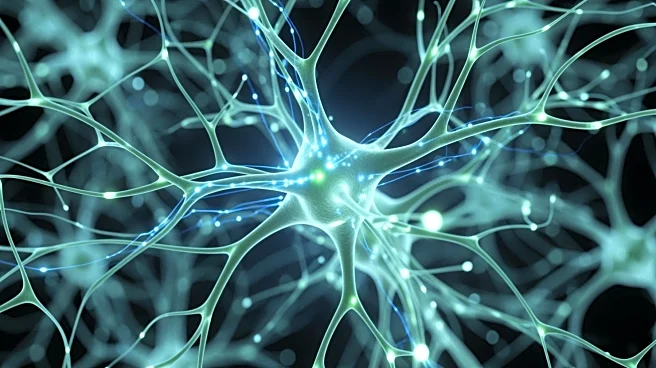



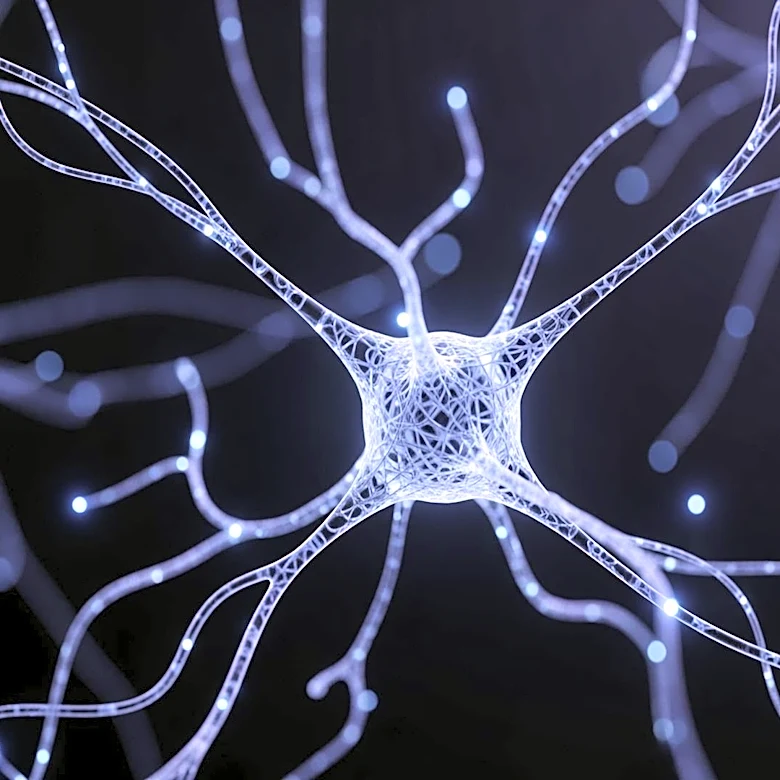



Neurons are the fundamental units of the nervous system, playing a crucial role in transmitting signals throughout the body. These specialized cells are responsible for receiving sensory input, processing information, and sending commands to muscles and glands. Understanding the structure and function of neurons is essential to grasp how the nervous system operates.
The Anatomy of Neurons
Neurons are composed of several key structures that enable them to perform their functions.
The cell body, or soma, contains the nucleus and is responsible for maintaining the cell's health. Extending from the soma are dendrites, which are branch-like structures that receive signals from other neurons. These signals are then transmitted to the soma for processing.
Another critical component of a neuron is the axon, a long, slender projection that carries electrical impulses away from the cell body. The axon can extend over long distances, allowing neurons to communicate with other cells throughout the body. At the end of the axon are axon terminals, which release neurotransmitters to pass signals across synapses to other neurons or target cells.
Types of Neurons
Neurons can be classified into three main types based on their function: sensory neurons, motor neurons, and interneurons. Sensory neurons are responsible for converting external stimuli from the environment into internal electrical impulses. These neurons send information to the central nervous system, where it is processed and interpreted.
Motor neurons, on the other hand, transmit signals from the central nervous system to muscles and glands, facilitating movement and other responses. Interneurons serve as connectors between sensory and motor neurons, playing a crucial role in reflexes and the integration of sensory input and motor output.
The Role of Synapses
Synapses are specialized junctions where neurons communicate with each other or with target cells. At a synapse, the axon terminal of one neuron releases neurotransmitters into the synaptic cleft, a small gap between the neurons. These chemical messengers bind to receptors on the receiving neuron, triggering an electrical response.
The process of synaptic transmission is essential for the functioning of the nervous system, allowing for the rapid and precise communication of information. Synapses can be excitatory or inhibitory, influencing whether the receiving neuron will generate an action potential and continue the signal transmission.
Understanding the structure and function of neurons provides insight into the complex workings of the nervous system. These specialized cells are integral to our ability to perceive the world, respond to stimuli, and perform a wide range of bodily functions.