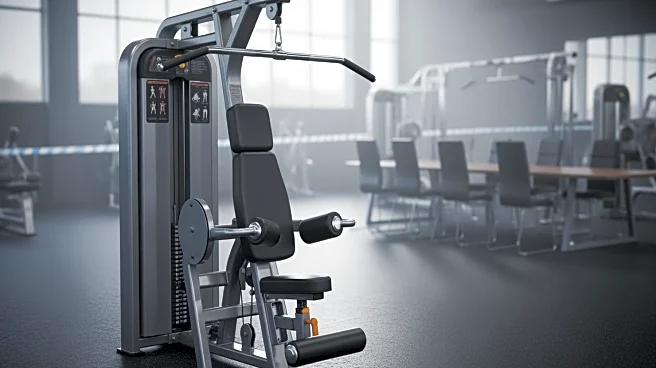

The lat pulldown is a versatile exercise that can be modified in several ways to target different muscles and achieve various fitness goals. While the standard lat pulldown is effective in building upper
body strength, exploring its variations can provide additional benefits and challenges. This article will delve into the different variations of the lat pulldown, including grip changes and body positioning, and discuss their impact on muscle activation and safety.
Grip Variations in the Lat Pulldown
One of the simplest ways to modify the lat pulldown is by changing the grip. A pronated grip, where the palms face away from the body, tends to result in the greatest activation of the latissimus dorsi. This grip is commonly used in the standard lat pulldown and is effective for targeting the back muscles.
Alternatively, a supinated grip, with the palms facing towards the body, allows the biceps to contribute more strongly as an elbow flexor. This variation can be beneficial for those looking to increase bicep involvement in the exercise. Additionally, a neutral grip, where the palms face each other, can be used to reduce strain on the wrists and shoulders, making it a safer option for some individuals.
Width and Orientation Adjustments
The width of the grip can also be adjusted to change the focus of the exercise. A wide grip emphasizes the outer portion of the latissimus dorsi, while a narrow grip targets the inner portion. Both grip widths are effective, but they offer slightly different benefits depending on the individual's goals.
Orientation adjustments, such as performing the exercise with a narrow grip overhand or underhand, can also alter muscle activation. These variations allow individuals to target specific areas of the back and arms, providing a more comprehensive workout. It's important to note that while these adjustments can enhance the exercise, they should be performed with caution to avoid injury.
Behind-the-Neck Pulldown: A Cautionary Note
One variation of the lat pulldown that is often debated is the behind-the-neck pulldown. In this version, the bar is pulled behind the neck instead of in front of the chest. While some believe this variation offers unique benefits, it is generally considered dangerous and less effective.
The behind-the-neck pulldown can cause compression of the cervical spine disks and potential rotator cuff injuries. It offers no biomechanical advantages over the standard pulldown and should be approached with caution. For most individuals, sticking to the traditional front pulldown is a safer and more effective option.
In conclusion, the lat pulldown is a highly adaptable exercise with numerous variations. By experimenting with different grips, widths, and orientations, individuals can tailor the exercise to their specific needs and goals. However, it's crucial to prioritize safety and proper form to maximize the benefits and minimize the risk of injury.