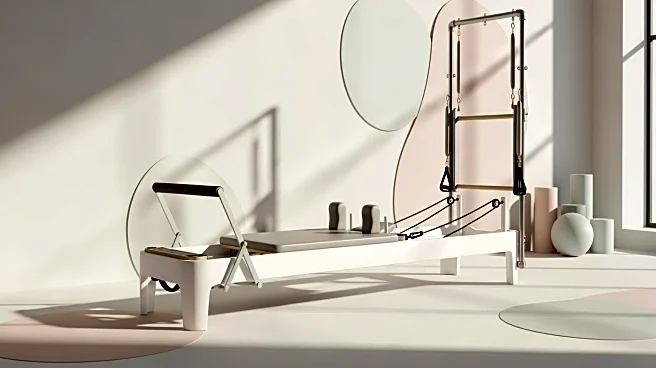

Pilates has become a cornerstone of mind-body exercise, emphasizing core stability, strength, and flexibility. Developed by Joseph Pilates, the method integrates physical and mental health, offering a unique
approach to fitness. With its focus on controlled movements and breathwork, Pilates has revolutionized the way people engage with exercise.
Core Principles of Pilates
At the heart of Pilates is the concept of controlled movements, which Joseph Pilates described as an art form. The method prioritizes alignment, breathing, and developing a strong core, often referred to as the "powerhouse." This includes the muscles of the abdomen, low back, and hips, which are crucial for stability.
Pilates exercises can be modified in difficulty, accommodating various fitness levels and goals. The intensity of workouts can be increased as the body adapts, ensuring continuous improvement. Breathwork is integral to Pilates, powering movements and enhancing the mind-body connection. Joseph Pilates emphasized the importance of learning to breathe correctly, a principle that remains central to the practice.
The Benefits of Pilates
Pilates offers numerous benefits, including improved flexibility, strength, and endurance. It enhances coordination and balance, making it suitable for a wide range of individuals. Unlike cardiovascular workouts, Pilates focuses on resistance training, using both bodyweight and specialized apparatuses like the Reformer and Cadillac.
A systematic review in 2012 described Pilates as a mind-body exercise requiring core stability and attention to muscle control. While not a cardiovascular workout, Pilates provides a comprehensive approach to physical fitness. It can be tailored to different ages and abilities, making it accessible to a broad audience.
Pilates in Practice
Pilates can be practiced individually or in group settings, with lessons tailored to personal needs. Private lessons offer personalized guidance, while group sessions provide a communal experience. The method's adaptability allows for exercises to be performed at home or in studios equipped with apparatuses.
Despite debates over its effectiveness, Pilates has demonstrated efficacy in rehabilitation and conditioning. It is particularly beneficial for abdominal muscle conditioning and offers low-impact exercise options. While evidence on its impact on balance in elderly individuals is limited, Pilates remains a valuable tool for overall fitness.
Pilates continues to inspire millions, offering a holistic approach to exercise that integrates the mind and body. Its principles of controlled movements and breathwork have made it a revolutionary force in the fitness world.