





Burnouts have transcended their practical origins in drag racing to become a cultural phenomenon in the world of motorsports. Known for their dramatic display of smoke and sound, burnouts captivate audiences and symbolize the thrill of racing. This article explores the cultural significance of burnouts, their evolution into a competitive sport, and their impact on motorsport communities worldwide.
The Evolution of Burnouts
The practice of burnouts began in the mid-1960s at
the Ted Edwards Drag Strip in Fairburn, Georgia. Initially used to improve tire performance in drag racing, burnouts quickly gained popularity for their visual appeal. As the technique spread across the United States, it became a staple in motorsport events, particularly in California, where the sport was better organized and more popular.
Over time, burnouts evolved from a practical racing technique to a form of entertainment and competition. Burnout contests emerged, where participants are judged on style, attitude, and crowd response. These contests have become particularly popular in Australia and North America, drawing large audiences and significant prize money.
Burnouts as a Symbol of Motorsport Culture
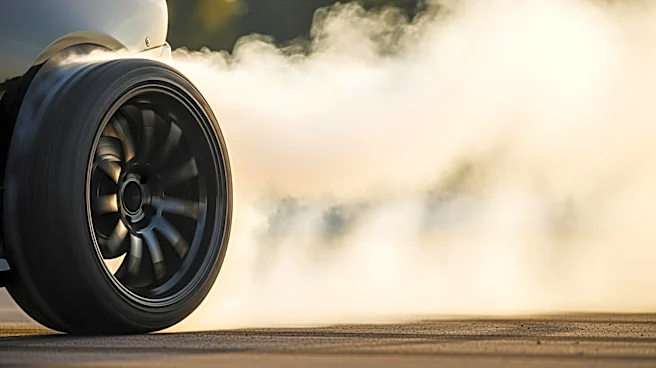
Burnouts have become a symbol of the raw power and excitement associated with motorsports. The sight of a car enveloped in smoke, tires screeching, and engines roaring is a thrilling experience for both participants and spectators. This spectacle embodies the spirit of racing, where skill, control, and adrenaline converge.
In addition to their entertainment value, burnouts serve as a rite of passage for many motorsport enthusiasts. Performing a successful burnout requires a deep understanding of vehicle dynamics and precise control, making it a respected skill among racers. This cultural significance has cemented burnouts as an integral part of motorsport events, from drag races to NASCAR celebrations.
The Global Reach of Burnouts
While burnouts originated in the United States, their appeal has spread globally. In Australia, burnout contests are a major attraction, with dedicated events and purpose-built cars. The popularity of burnouts in Australia has even led to the development of unique styles and techniques, further enriching the cultural tapestry of motorsports.
Despite their widespread appeal, burnouts remain illegal on public property in most countries due to safety and environmental concerns. However, their cultural impact continues to resonate within the motorsport community, where they are celebrated as a testament to the passion and skill of racing enthusiasts.