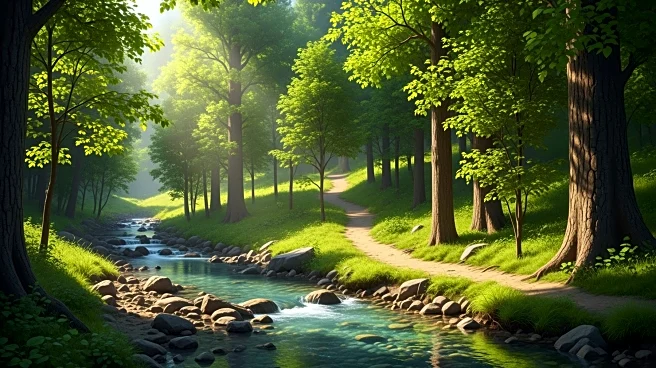



State parks in the United States serve a dual purpose: they are vital for conservation efforts and provide a wide array of recreational opportunities. Managed at the state level, these parks are designed to protect natural landscapes while offering the public a chance to engage with nature. This balance between preservation and recreation is at the heart of the state park system.
Conservation Efforts
State parks play a crucial role in conserving natural resources and protecting
biodiversity. Many parks are established to preserve areas of natural beauty, unique ecosystems, and significant geological features. For example, parks like Anza-Borrego Desert State Park in California and Adirondack State Park in New York are among the largest state parks, offering vast protected areas that support diverse flora and fauna.
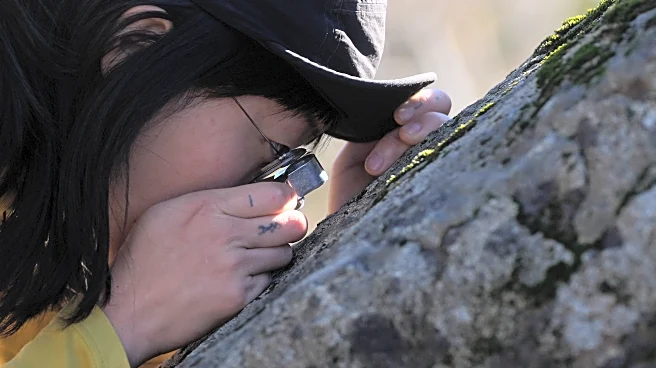
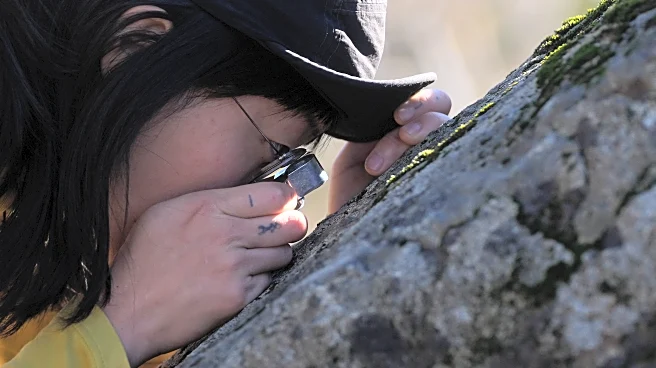
In addition to preserving natural landscapes, state parks often serve as important educational resources. They provide interpretive programs and exhibits that educate visitors about local ecosystems, wildlife, and conservation practices. These programs are designed to foster a deeper understanding and appreciation of the natural world, encouraging visitors to engage in responsible and sustainable recreation.
Recreational Opportunities
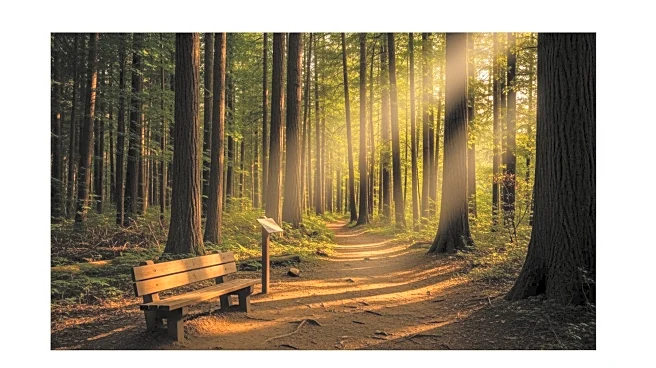
State parks are also a hub for outdoor recreation, offering a variety of activities that cater to different interests and skill levels. With over 43,000 miles of trails, 217,367 campsites, and numerous cabins and lodges, state parks provide ample opportunities for hiking, camping, fishing, and more. These recreational offerings are designed to enhance the visitor experience while promoting physical activity and well-being.
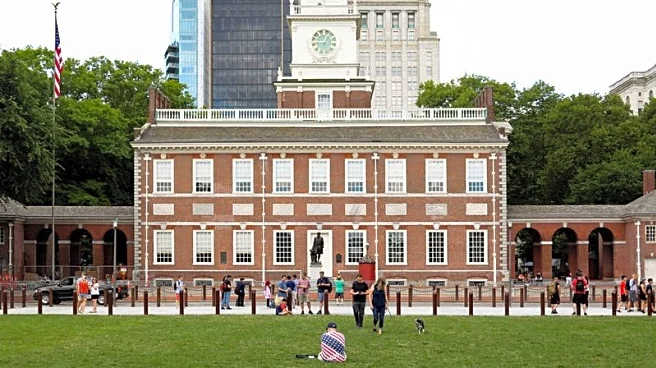
Many state parks also include unique features such as state beaches, nature reserves, and historic sites. These areas not only provide recreational opportunities but also help to preserve cultural and historical landmarks. For instance, parks like Breaks Interstate Park, which straddles the border between Virginia and Kentucky, offer a blend of natural beauty and historical significance.
Balancing Preservation and Use
The challenge for state parks is to balance the need for conservation with the demand for recreational use. This involves careful management and planning to ensure that natural resources are protected while still providing access and enjoyment for the public. State park systems often work with local communities and organizations to develop sustainable practices that minimize environmental impact.
Overall, state parks are an essential component of the U.S. conservation and recreation landscape. They offer a unique opportunity for people to connect with nature, learn about the environment, and enjoy a wide range of outdoor activities. By maintaining this balance, state parks continue to be a valuable resource for both conservation and recreation.