








Curbs are a fundamental component of urban infrastructure, serving as the boundary between sidewalks and streets. While they provide structural support and aesthetic appeal, curbs also play a crucial role in enhancing accessibility for disabled individuals. This article delves into the importance of curbs in promoting mobility and inclusivity in urban spaces, highlighting key innovations and their impact on accessibility.
The Challenge of Accessibility
For many years, curbs presented
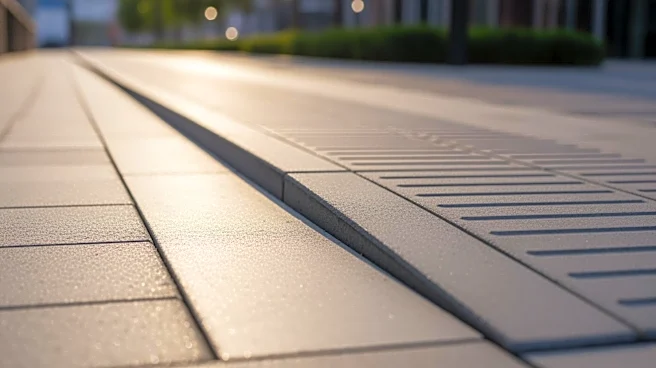
a significant obstacle for individuals with mobility challenges, particularly wheelchair users. The raised edge of a curb made it difficult to transition from the sidewalk to the street, limiting access to public spaces and transportation. This issue was recognized in the mid-20th century, leading to efforts to improve curb design and enhance accessibility.
In 1945, Kalamazoo, Michigan, celebrated the installation of one of the nation's first curb cuts, designed to facilitate mobility in the city center. This innovation marked a turning point in urban planning, as it demonstrated the potential for curbs to accommodate the needs of disabled individuals. Curb cuts, or ramps, allow for a smooth transition between the sidewalk and street, making it easier for wheelchair users and others with mobility challenges to navigate urban environments.
Legislative Impact
The passage of federal legislation, such as the Americans with Disabilities Act of 1990 (ADA), further advanced the cause of accessibility in urban spaces. The ADA set standards for curb design, requiring that curb cuts be installed at pedestrian crossings and other key locations. This legislation has had a profound impact on urban planning, ensuring that cities are designed with inclusivity in mind.
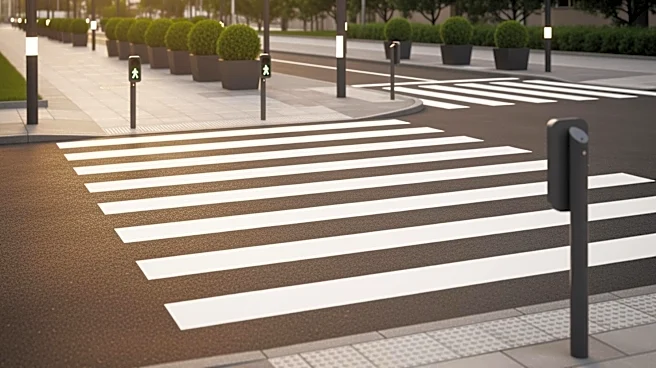
Curbs at handicapped curb cuts are designed to have no reveal, allowing for a seamless transition between surfaces. This design consideration is crucial in accommodating the needs of disabled individuals, as it eliminates barriers and promotes independence. The ADA has also influenced the design of other urban features, such as tactile paving and accessible traffic signals, further enhancing mobility for all.
Ongoing Innovations
Urban planners continue to explore new ways to improve curb design and accessibility. High containment curbs, for example, are used in areas requiring greater protection from vehicle traffic, such as fuel stations and pedestrian-heavy zones. These curbs are significantly higher than standard ones, providing a robust barrier against potential accidents.
The integration of technology into curb design is another area of innovation. Smart curbs, equipped with sensors and connectivity features, have the potential to enhance safety and accessibility in urban spaces. These curbs can provide real-time data on traffic patterns and pedestrian movement, allowing for more informed urban planning decisions.
Overall, curbs play a vital role in promoting accessibility and inclusivity in urban environments. Through thoughtful design and legislative support, curbs have evolved to accommodate the needs of disabled individuals, enhancing mobility and independence in cities worldwide.