







Self-publishing has transformed dramatically over the years, evolving from a niche activity to a mainstream option for authors. This shift has been driven by technological advancements and changing perceptions of publishing. Understanding this evolution provides insight into how self-publishing has become a viable alternative to traditional publishing.
Early Beginnings and Historical Context
Self-publishing has a long history, with notable figures like John Locke, Jane Austen, and Walt Whitman
choosing to publish their own works. In the 18th and 19th centuries, self-publishing was often the only option for authors who wanted to maintain control over their work. This period saw authors like Laurence Sterne and Virginia Woolf taking the reins of their publishing processes, setting the stage for future developments.
The early 20th century continued this trend, with authors like Ezra Pound and Irma S. Rombauer finding success through self-publishing. These pioneers laid the groundwork for the modern self-publishing movement, demonstrating that authors could achieve both critical and commercial success without traditional publishers.
The Digital Revolution and Print-on-Demand
The advent of the internet and digital technology revolutionized self-publishing. Print-on-demand (POD) technology, which emerged in the mid-1990s, allowed authors to print books only when orders were placed, eliminating the need for costly inventory storage. This innovation made self-publishing more accessible and affordable, enabling a wider range of authors to publish their work.
Digital platforms further expanded the reach of self-published works. The introduction of e-books and platforms like Amazon's Kindle Direct Publishing (KDP) in 2007 marked a significant turning point. These platforms provided authors with global distribution channels, allowing them to reach readers worldwide without the need for traditional publishing infrastructure.
The Impact of Technology on Self-Publishing
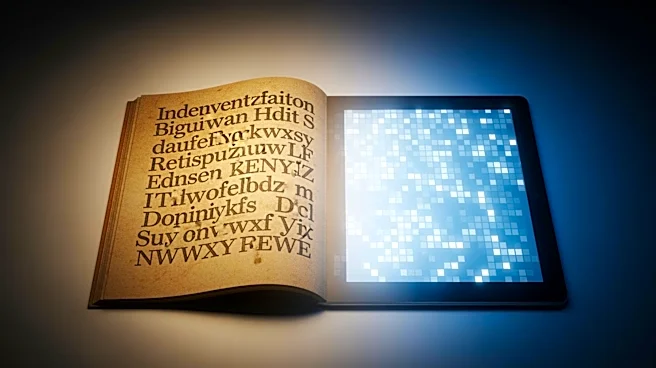
Technological advancements have not only made self-publishing more accessible but have also changed the perception of self-published works. The rise of e-readers and tablets has increased the popularity of e-books, making them a preferred format for many readers. This shift has allowed self-published authors to compete with traditionally published authors on a more level playing field.
Moreover, the development of artificial intelligence and other digital tools has streamlined the self-publishing process. Authors can now access a range of services, from editing to cover design, through online platforms. This ease of access has contributed to the growing respectability of self-publishing, as authors can produce high-quality works that meet professional standards.
In conclusion, the evolution of self-publishing from its early beginnings to the digital age highlights the significant impact of technology on the publishing industry. As self-publishing continues to grow and evolve, it offers authors unprecedented opportunities to share their stories with the world.