

Workwear has undergone a significant transformation over the years, evolving from purely functional clothing designed for manual labor to a fashion statement embraced by various subcultures. Initially, workwear was all about durability and safety, catering to the needs of those in trade industries. However, as time progressed, the style and cultural significance of workwear began to shift, influencing fashion trends and becoming a symbol of identity
for many.
Historical Beginnings
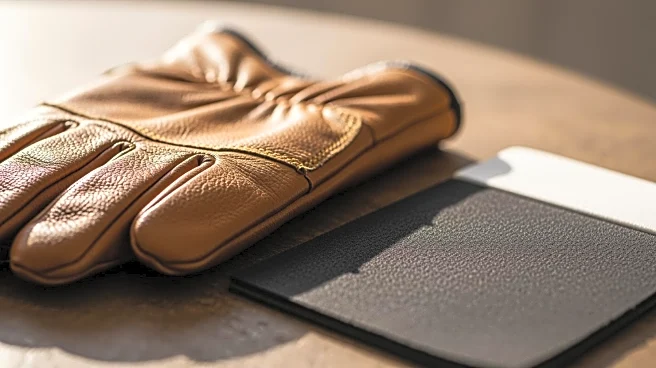
Workwear has its roots in the practical needs of manual laborers. In the early Victorian era, a working-class man's occupation could often be identified through his attire. For instance, millers, bakers, and cooks wore white clothing due to the importance of food hygiene, while knife makers and blacksmiths donned heavy-duty leather aprons. This practical approach to clothing ensured that workers were protected and their attire was suited to their specific tasks.
As industries evolved, so did workwear. By the mid-19th century, dustmen, coalmen, and navvies in Britain wore flat caps, corduroy pants, and heavy boots, often complemented by donkey jackets with leather shoulder patches. These garments were designed to withstand the rigors of manual labor, providing both protection and durability.
Cultural Impact and Fashion
The cultural impact of workwear became more pronounced in the late 19th and early 20th centuries. The tradition of the pearly king, for example, emerged when a young street sweeper named Henry Croft imitated the costermongers' clothing by stitching mother-of-pearl buttons to his jacket and trousers. This act of personalization marked the beginning of workwear's transition into a cultural symbol.
In the 1980s, workwear such as donkey jackets and Doc Martens safety boots became popular street attire for British skinheads, suedeheads, and punks. These groups adopted workwear as a way to assert their working-class identity, transforming practical garments into symbols of rebellion and cultural pride.
Modern Influence and Fashion Industry
Today, workwear continues to influence fashion, with its style making a significant impact on the industry. The hipster subculture, for instance, has embraced workwear as part of its aesthetic, incorporating elements like denim jackets, military trench coats, and lumberjack flannels into everyday attire.
The fashion industry has also taken note, with designers incorporating workwear elements into their collections. This includes pompadour haircuts, tattoos, and work boots, all of which contribute to the workwear style. As a result, workwear has become more than just clothing; it represents a culture and way of life for many.