


Petrified Forest National Park is a treasure trove of paleontological wonders, offering insights into life during the Late Triassic Epoch. The park is renowned for its extensive fossil record, which includes not only petrified wood but also a diverse array of plant and animal fossils. These fossils provide a window into a time when the region was a lush, subtropical environment teeming with life.
Plant Fossils
The fossilized plant life in Petrified Forest National
Park is remarkably diverse. The Chinle Formation, considered one of the richest Late Triassic fossil-plant deposits in the world, contains more than 200 fossil plant taxa. Among the plant groups represented are lycophytes, ferns, cycads, conifers, and ginkgoes, as well as unclassified forms.
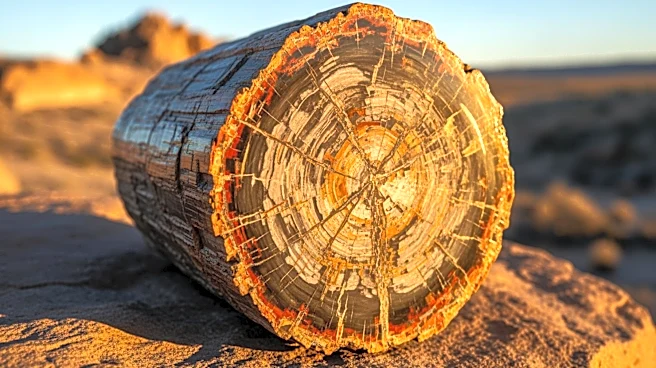
The park's petrified wood is primarily from extinct conifer trees, such as Araucarioxylon arizonicum, Woodworthia arizonica, and Schilderia adamanica. These trees, along with other plant fossils, offer valuable information about the flora that once thrived in the region. The preservation of cellular details in some fossils allows scientists to study the cellular makeup of these ancient plants, providing insights into their biology and ecology.
Animal Fossils
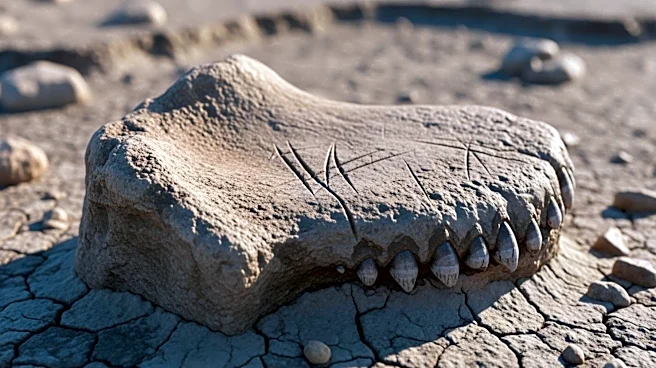
In addition to plant fossils, Petrified Forest National Park boasts a rich assemblage of fossil vertebrates from the Late Triassic. The park has produced one of the most diverse collections of fossil vertebrates from this period, including early theropod dinosaurs, crocodile-line archosaurs, temnospondyl amphibians, and other dinosauromorphs and archosauromorphs.
The park's fossil record also includes freshwater snails and clams, as well as the oldest fossil crayfish, Enoploclytia porteri. These fossils provide a glimpse into the diverse ecosystems that existed in the region during the Late Triassic, highlighting the variety of life forms that inhabited the area.
Paleontological Research
Paleontological research in Petrified Forest National Park has been ongoing since the early 20th century. Scientists have been unearthing and studying the park's fossils to better understand the region's ancient ecosystems. The park's fossil record has contributed significantly to our knowledge of the Late Triassic, offering insights into the evolution of plants and animals during this period.
Research continues to this day, with paleontologists exploring new fossil sites and uncovering additional specimens. The park's rich fossil heritage makes it a vital location for paleontological studies, providing valuable information about the Earth's history and the life forms that once inhabited it.