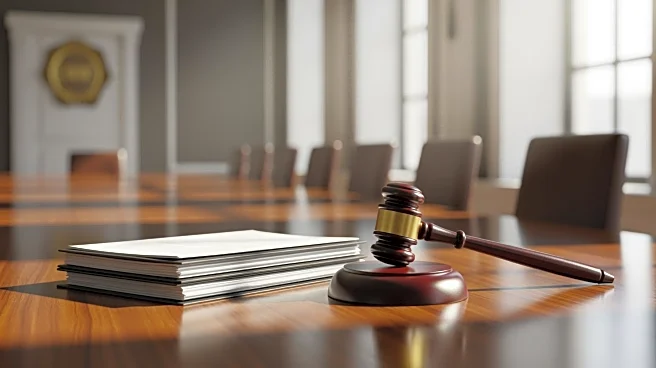

Committees are an essential part of the legislative process in the United States Congress. They are responsible for the detailed examination of proposed legislation, oversight of government operations,
and the investigation of issues that affect the nation. By dividing the workload among smaller groups, committees enable Congress to manage a vast array of legislative responsibilities efficiently.
Types of Committees
There are several types of committees within Congress, each serving a specific purpose. Standing committees are permanent and focus on particular areas of policy, such as finance, foreign relations, or agriculture. These committees are crucial for the ongoing legislative process, as they review bills related to their areas of expertise and make recommendations to the full chamber.
Select or special committees are temporary and are established to address specific issues not covered by standing committees. These committees often conduct investigations or studies on matters of national importance. Joint committees, composed of members from both the House and the Senate, focus on issues that require collaboration between the two chambers. Finally, conference committees are temporary panels formed to reconcile differences between House and Senate versions of a bill.
The Legislative Process in Committees
Committees play a pivotal role in the legislative process. When a bill is introduced in Congress, it is typically referred to a relevant committee for review. The committee examines the bill in detail, holding hearings to gather information and opinions from experts, government officials, and the public. This process allows committee members to assess the potential impact of the legislation and make informed decisions.
After thorough examination, the committee may amend the bill, approve it, or reject it. If approved, the bill is reported to the full chamber for further debate and voting. Committees have significant influence over the legislative agenda, as they determine which bills advance to the floor for consideration. This gatekeeping function ensures that only well-vetted legislation reaches the full Congress.
Oversight and Investigation
In addition to their legislative duties, committees are responsible for overseeing the implementation of federal laws and the operation of government agencies. This oversight function is critical for ensuring accountability and transparency within the federal government. Committees have the authority to subpoena witnesses, hold hearings, and conduct investigations to examine government actions and address any issues that arise.
Through their oversight role, committees help maintain the balance of power between the legislative and executive branches. By scrutinizing government operations and holding officials accountable, committees contribute to the effective functioning of the U.S. government. Overall, committees are a vital component of the congressional system, facilitating the legislative process and ensuring government accountability.