




Comedy has been a significant part of human culture for centuries, evolving from its origins in ancient Greece to the diverse forms we enjoy today. This article explores the historical development of comedy, highlighting key milestones and transformations that have shaped this beloved genre. From the political satire of ancient Greek theater to the slapstick humor of silent films, comedy has continually adapted to reflect societal changes and entertain
audiences worldwide.
Ancient Greek Origins
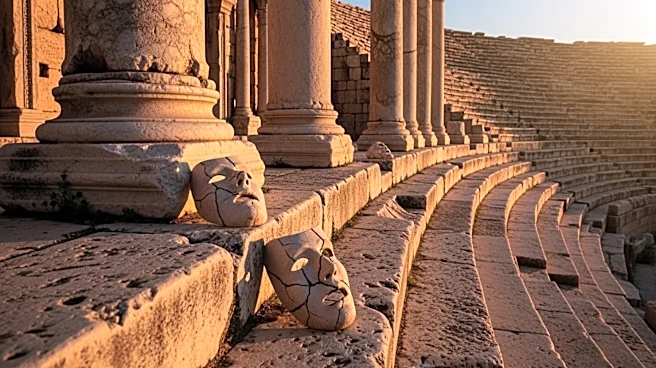
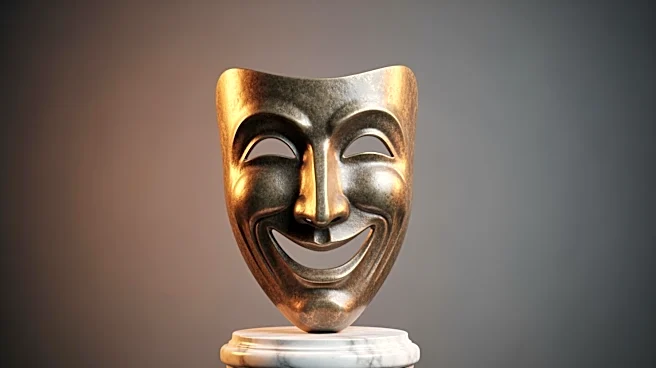
Comedy as a theatrical genre originated in ancient Greece, where it played a crucial role in Athenian democracy. Comic poets used political satire to influence public opinion, performing in theaters to engage and amuse audiences. Greek comedy often depicted conflicts between opposing groups, such as the "Society of Youth" and the "Society of the Old," as described by Northrop Frye. This struggle between youthful ambition and societal conventions created dramatic irony, provoking laughter and reflection among viewers.
Aristophanes, a prominent figure in ancient Greek comedy, wrote numerous plays that have survived to this day. His works, characterized by bawdy humor and satirical commentary, laid the foundation for future comedic forms. The Greeks and Romans confined their use of the word "comedy" to stage-plays with happy endings, a tradition that influenced later interpretations of the genre.
The Middle Ages and Renaissance
During the Middle Ages, the concept of comedy expanded to include narrative poems with happy endings. This broader definition allowed for the inclusion of works like Dante's "La Commedia," which, despite its serious themes, concluded on a positive note. The translation of Aristotle's "Poetics" into Arabic and later into Latin further influenced the understanding of comedy, as it became associated with satire and humor in general.
The Renaissance period saw a revival of classical comedic forms, with playwrights like Shakespeare incorporating elements of Greek and Roman comedy into their works. Shakespearean comedies typically featured light-hearted plots, mistaken identities, and happy resolutions, often culminating in marriages between characters. This era solidified comedy's place in the theatrical canon, setting the stage for future innovations.
Modern Comedy and Its Diverse Forms
The advent of film and television in the 20th century revolutionized comedy, introducing new formats and styles. Silent films, such as those by Charlie Chaplin and Buster Keaton, relied on visual gags and slapstick humor to entertain audiences without sound. As sound films emerged, comedy evolved to include witty dialogue and complex narratives, giving rise to genres like romantic comedy and screwball comedy.
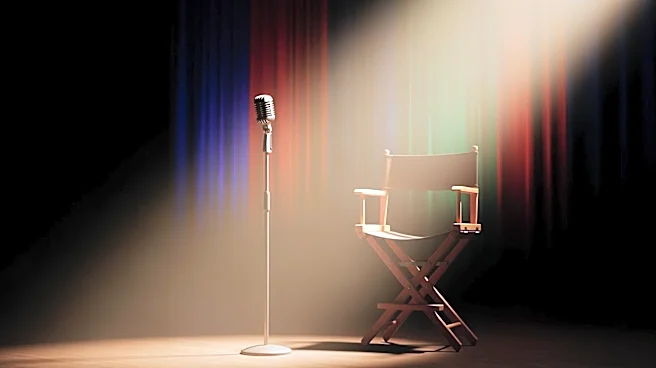
Today, comedy encompasses a wide range of forms, from stand-up performances to sitcoms and satirical news shows. The genre continues to adapt to cultural shifts, using humor to address social issues and challenge conventions. As comedy evolves, it remains a vital part of entertainment, bringing laughter and joy to audiences around the world.