






Sourdough bread is renowned for its tangy taste and chewy texture, qualities that set it apart from other types of bread. The secret to sourdough's unique flavor lies in the complex microbiological processes involved in its fermentation. Understanding these processes reveals the fascinating science behind this beloved bread.
The Role of Wild Yeast and Bacteria
At the heart of sourdough's flavor is the natural fermentation process, which relies on wild yeast and bacteria. Unlike commercial
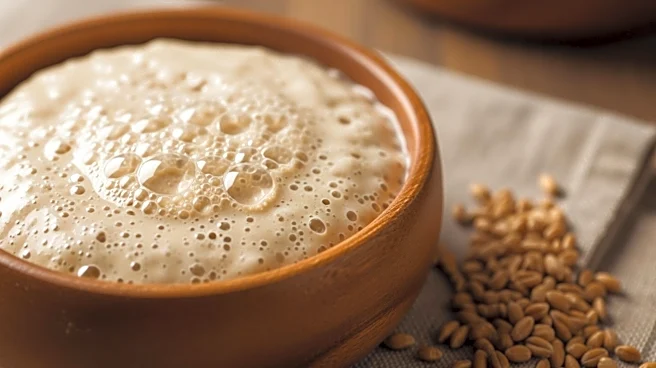
bread that uses baker's yeast, sourdough is made with a starter that contains wild yeast and lactic acid bacteria. This combination creates a symbiotic relationship known as a SCOBY (Symbiotic Culture of Bacteria and Yeast).
The wild yeast, primarily Candida humilis, is responsible for the bread's rise, while the bacteria, notably Lactobacillus sanfrancisco, produce lactic acid. This acid is what gives sourdough its characteristic tangy flavor. The fermentation process also breaks down the starches and proteins in the dough, enhancing the bread's texture and shelf life.
The Importance of Sourdough Starters
Sourdough starters are crucial to the bread's flavor development. These starters are often maintained over long periods, with some bakeries using starters that are over a century old. The Boudin Bakery in San Francisco, for example, has used the same starter dough for over 150 years, ensuring consistency in flavor.
The starter acts as a "mother sponge," providing the necessary microorganisms for fermentation. Bakers carefully maintain their starters, feeding them regularly to keep the yeast and bacteria active. This process not only preserves the traditional flavor but also allows bakers to continue practices that have been passed down through generations.
Factors Influencing Sourdough Flavor
Several factors influence the flavor of sourdough bread, including the type of flour used, the fermentation time, and the environmental conditions. The choice of flour can affect the bread's taste and texture, with whole grain flours often producing a more robust flavor.
Fermentation time is another critical factor, as longer fermentation allows for more complex flavor development. Environmental conditions, such as temperature and humidity, also play a role in the fermentation process. Bakers must carefully monitor these conditions to achieve the desired flavor profile.
The science behind sourdough bread is a testament to the intricate balance of microorganisms and environmental factors that create its unique taste. As bakers continue to explore and refine these processes, sourdough remains a fascinating example of the intersection between tradition and science.