





Wankdorf Stadium in Bern, Switzerland, holds a special place in the annals of football history. Built in 1925, it was the home of the Swiss club BSC Young Boys and hosted several significant football events, including the 1954 FIFA World Cup final. Over the years, the stadium underwent various transformations, reflecting the evolving nature of sports infrastructure and its role in hosting major international events.
Early Years and Development
Wankdorf Stadium was inaugurated
in 1925, initially accommodating 22,000 spectators. It featured 1,200 covered seats and standing room for an additional 5,000 people. The stadium quickly became a central hub for football in Switzerland, hosting its first international match on November 8, 1925, where the Swiss national team triumphed over Austria with a 2-0 victory. This early success set the stage for Wankdorf to become a prominent venue in European football.
Between 1933 and 1939, the stadium underwent a series of expansions. An additional training field was added, and bleachers were constructed opposite the grandstand, increasing the capacity to 42,000. These developments were crucial in preparing the stadium for future international events, including the 1954 FIFA World Cup.
The 1954 FIFA World Cup
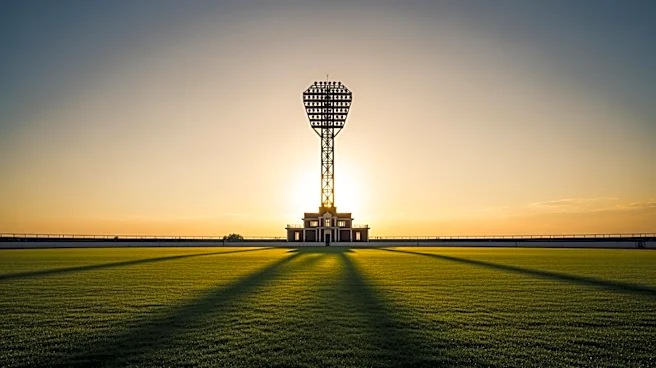
The 1954 FIFA World Cup marked a pivotal moment in Wankdorf Stadium's history. The stadium was demolished and rebuilt to accommodate 64,000 spectators, with 8,000 seats and standing room for 56,000. This expansion was necessary to host the World Cup final, where West Germany achieved a stunning 3-2 victory over Hungary, an event famously known as the "Miracle of Bern." This unexpected win by West Germany against the heavily favored Hungarian team became a defining moment in football history and solidified Wankdorf Stadium's place in the sport's lore.
Demolition and Rebirth
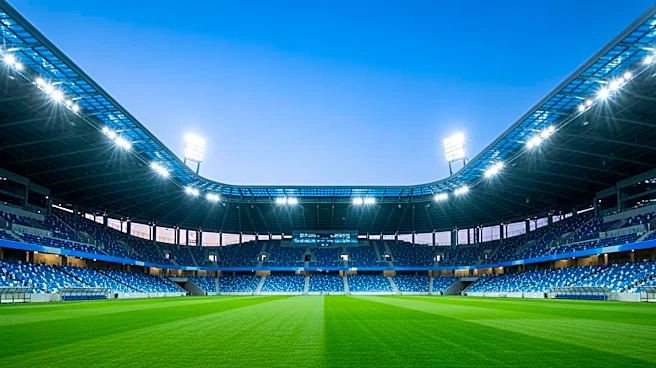
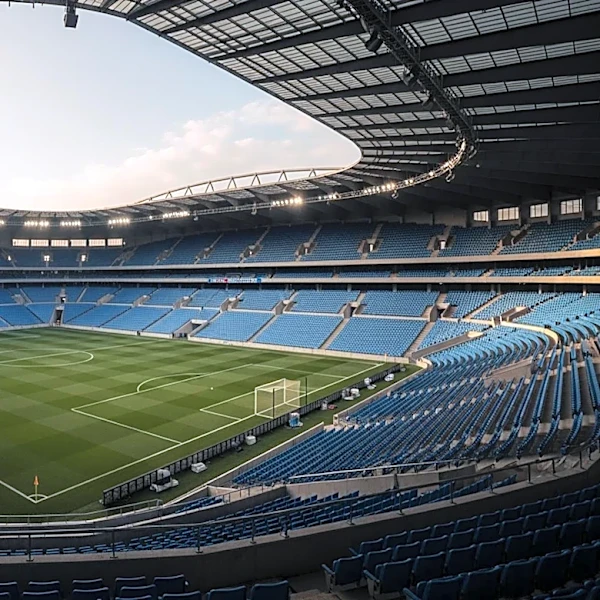
In 2001, Wankdorf Stadium was demolished, marking the end of an era. However, its legacy continued with the construction of the new Stadion Wankdorf on the same site, which opened in 2005. The new stadium, with a capacity of 32,000, was designed to meet modern standards and included features like solar panels integrated into the roof. It became a venue for UEFA Euro 2008 and continues to serve as the home ground for BSC Young Boys.
The transformation of Wankdorf Stadium over the decades reflects the dynamic nature of sports venues and their ability to adapt to the changing demands of international events. From its early days to its role in hosting one of football's most memorable matches, Wankdorf Stadium remains a symbol of football history and innovation.