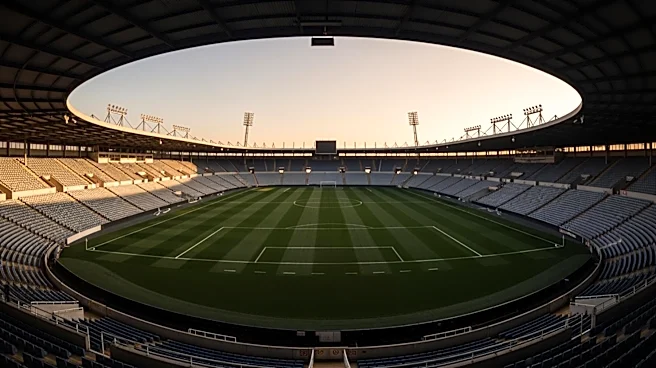






The Maracanã Stadium, officially known as Estádio Jornalista Mário Filho, is a landmark in Rio de Janeiro, Brazil, with a rich history that dates back to its opening in 1950. This iconic stadium has been the stage for numerous significant events in the world of sports and beyond. From hosting the 1950 FIFA World Cup to undergoing major renovations for the 2014 World Cup, the Maracanã has evolved over the decades, reflecting the changing landscape
of international sports.
The Birth of a Legend
The Maracanã Stadium was constructed to host the 1950 FIFA World Cup, a monumental event for Brazil. The decision to build the stadium was not without controversy, as political figures like Carlos Lacerda criticized the location and cost. Despite these challenges, the stadium was completed in time for the World Cup, albeit in an unfinished state. The opening match saw Brazil defeat Mexico 4-0, with Ademir scoring the first competitive goal at the venue.
The stadium's most infamous moment came during the final match of the 1950 World Cup, where Brazil faced Uruguay. In front of a record-breaking crowd of nearly 200,000 spectators, Brazil suffered a shocking defeat, a moment that became known as the Maracanazo. This event left a lasting impact on Brazilian football history and the stadium itself.
Renovations and Modernization
Over the years, the Maracanã Stadium has undergone several renovations to maintain its status as a premier sports venue. Following its 50th anniversary in 2000, the stadium's capacity was increased to around 103,000. However, safety concerns and the need for modernization led to further changes. Between 2005 and 2006, the stadium was closed for nine months for renovations, reopening with an all-seated capacity of 87,000.
In preparation for the 2014 FIFA World Cup and the 2016 Olympics, the Maracanã underwent a major reconstruction. The original seating bowl was demolished and replaced with a new configuration, reducing the capacity to 78,639. The renovations included a new roof and updated facilities, ensuring the stadium met modern standards for international events.
A Venue for Global Events
The Maracanã Stadium has hosted a variety of significant events beyond football. It was the main venue for the 2007 Pan American Games and served as the site for the opening and closing ceremonies of the 2016 Summer Olympics and Paralympics. The stadium has also been chosen to host the 2020 and 2023 Copa Libertadores finals.
Throughout its history, the Maracanã has been more than just a sports venue; it has been a symbol of Brazilian culture and passion for football. Its ability to adapt and modernize while preserving its historical significance makes it a unique and enduring landmark in the world of sports.