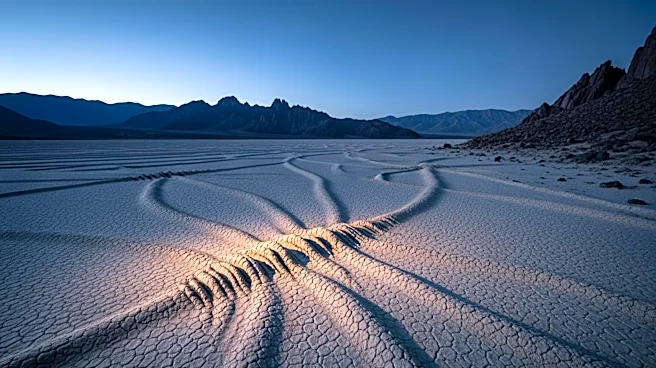

Craters of the Moon National Monument and Preserve in Idaho is a fascinating landscape shaped by volcanic activity. Established in 1924 and expanded in 2000, this area is managed by the National Park Service
and the Bureau of Land Management. It covers over 1,100 square miles and is renowned for its extensive lava fields and volcanic formations. This article delves into the unique geological features that make Craters of the Moon a remarkable natural wonder.
The Great Rift and Lava Fields
Craters of the Moon is situated along the Great Rift of Idaho, a significant geological feature that has contributed to the area's unique landscape. The Great Rift is a line of weakness in the Earth's crust, which has allowed lava to flow and create the expansive lava fields seen today. These fields are some of the best-preserved flood basalt areas in the continental United States, showcasing a variety of basaltic lava types.
The monument encompasses three major lava fields, including the Craters of the Moon Lava Field, which is the largest mostly Holocene-aged basaltic lava field in the contiguous United States. This field alone covers 618 square miles and contains more than 25 volcanic cones, including spatter cones, which are formed by the accumulation of lava droplets. The lava flows range in age from 15,000 to just 2,000 years, with the Kings Bowl and Wapi lava fields being part of the National Preserve.
Volcanic Features and Formations
Craters of the Moon is home to a variety of volcanic features that offer insight into the area's volcanic past. Among these are tree molds, which are cavities left by lava-incinerated trees, and lava tubes, which are natural conduits formed by flowing lava beneath the hardened surface. These tubes can create cave-like structures that are fascinating to explore.
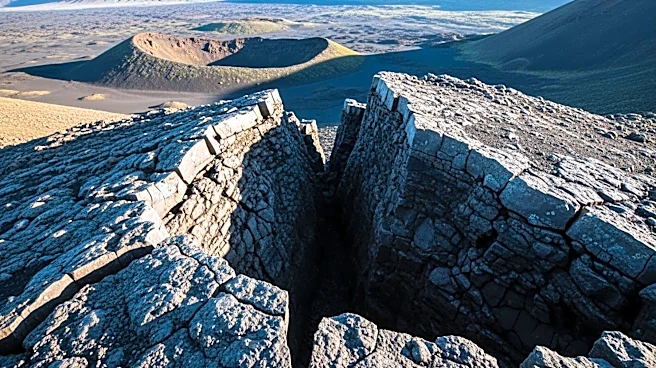
The area also boasts some of the best examples of open rift cracks in the world, including the deepest known on Earth at 800 feet. These cracks provide a glimpse into the dynamic processes that have shaped the landscape over thousands of years. The diversity of volcanic features at Craters of the Moon makes it a valuable site for geological study and a captivating destination for visitors.
The Monument's Unique Landscape
The landscape of Craters of the Moon is characterized by its stark, otherworldly appearance. The black basaltic lava fields create a dramatic contrast against the surrounding sagebrush steppe grasslands, which cover about 400 square miles of the monument. This unique combination of volcanic and desert environments supports a diverse range of plant and animal life adapted to the harsh conditions.
Visitors to Craters of the Moon can explore the rugged terrain and witness the geological wonders that define this remarkable area. The monument's remote and undeveloped landscape offers a sense of isolation and tranquility, allowing visitors to connect with the natural world and appreciate the forces that have shaped it over millennia.