



Örjans Vall, a football stadium in Halmstad, Sweden, has undergone significant architectural and functional changes since its inception in 1922. These transformations have been crucial in maintaining its status as a premier sports venue. This article explores the architectural evolution and functional upgrades of Örjans Vall, highlighting how these changes have enhanced its utility and appeal.
Initial Construction and Early Modifications
Built in 1922, Örjans Vall was originally named Halmstads
Idrottsplats. The stadium was inaugurated by the Crown Prince of Sweden, Gustaf Adolf, and quickly became a central hub for sports in Halmstad. Initially, the stadium featured wooden constructions, which were typical of the era.
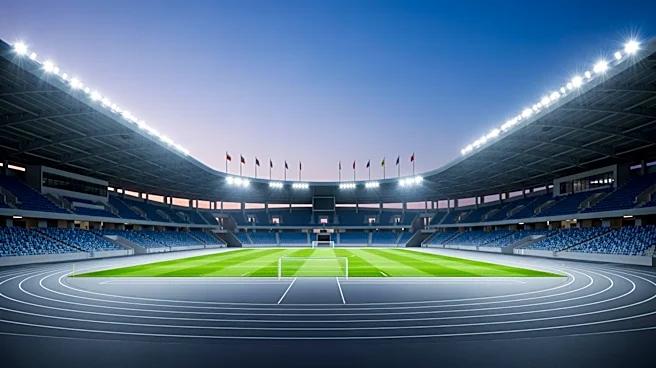
In its early years, Örjans Vall was not just a football venue; it also hosted athletic events, with running tracks surrounding the football field. These tracks were a prominent feature until the 1980s, serving local athletic clubs and providing a multifunctional space for various sports activities.
Major Renovations and Modernization
A significant architectural change occurred in 1972 when the original wooden structures were replaced with a new main stand and scoreboard. This renovation marked a turning point in the stadium's history, as it modernized the facilities and improved the spectator experience.
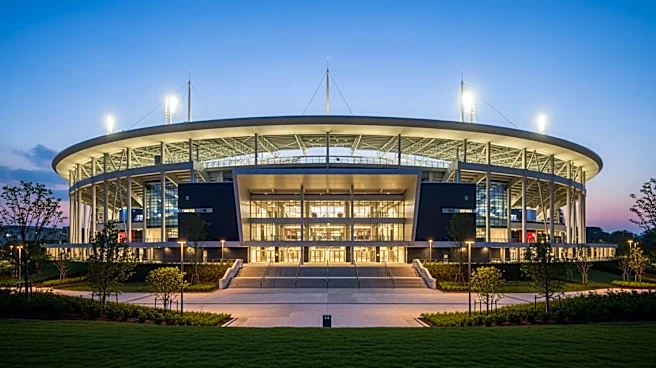
In 2013, Halmstad Municipality initiated a comprehensive renovation project worth 75 million SEK. Although the renovation faced delays, it was completed in 2017, bringing the stadium up to modern standards. The upgrades included improved seating, enhanced safety features, and better amenities for both players and spectators.
These renovations were essential in ensuring that Örjans Vall could continue to host both local and international events, maintaining its relevance in the competitive world of sports venues.
Functional Enhancements and Versatility
The functional evolution of Örjans Vall has been as significant as its architectural changes. The stadium's ability to adapt to different sports and events has been a key factor in its longevity. Over the years, Örjans Vall has hosted a variety of sports, including football, athletics, and even ice skating during particularly cold winters.
The removal of the running tracks in the 1980s was a strategic decision to focus on football, aligning the stadium's facilities with the needs of its primary tenants, Halmstads BK and IS Halmia. This shift allowed for more specialized upgrades, such as improved pitch quality and seating arrangements tailored to football spectators.
Örjans Vall's architectural and functional evolution reflects its commitment to providing a top-tier sports venue. Through continuous upgrades and adaptations, the stadium has maintained its status as a key player in Sweden's sports landscape, offering a versatile and modern space for a wide range of events.