






The humble litter box has undergone significant transformations since its inception. Originally, cat owners used sand to manage their pets' waste, but the discovery of clay as a more effective material marked a turning point. Over the years, the litter box has evolved from simple trays to sophisticated self-cleaning systems, reflecting advancements in technology and changing consumer needs. This article delves into the history and development of cat litter boxes,
highlighting key innovations that have shaped their evolution.
Early Beginnings: Sand and Clay
In the early days of indoor pet care, sand was the go-to material for litter boxes. It was readily available and allowed cats to bury their waste, satisfying their instinctive behavior. However, sand had its drawbacks, primarily its limited absorbency and tendency to track outside the box. The breakthrough came in 1947 when Edward Lowe discovered that clay, specifically Fuller's earth, was a superior alternative. Clay's absorbent properties made it an ideal choice for litter boxes, and Lowe began selling it under the name "Kitty Litter."
The introduction of clay revolutionized the litter box industry, providing a more effective solution for odor control and moisture absorption. This innovation laid the foundation for the modern cat litter market, which has grown into a multi-billion dollar industry. Today, clay remains a popular choice, although it has been joined by other materials like recycled paper and silica-based crystals.
Technological Advancements: Clumping and Self-Cleaning
The next major advancement in litter box technology was the development of clumping litter. In the 1980s, biochemist Thomas Nelson introduced clumping bentonite clay, which forms solid masses when wet. This innovation allowed pet owners to easily remove waste without changing the entire contents of the litter box, making maintenance more convenient.
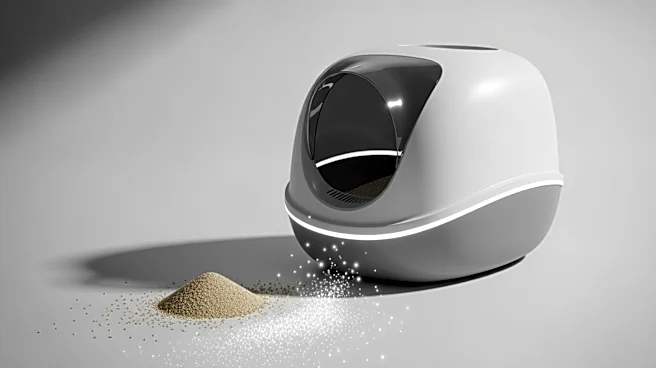
The evolution continued with the introduction of self-cleaning litter boxes. These automated systems use sensors and mechanical components to scoop waste into a sealed container, reducing the need for manual cleaning. Some models even connect to home plumbing for automatic washing and drying. These high-tech solutions cater to busy pet owners seeking convenience and cleanliness.
Eco-Friendly Options: Biodegradable and Silica Gel
As environmental concerns have grown, so has the demand for eco-friendly litter options. Biodegradable litters made from plant resources like pine wood pellets and recycled newspaper offer a sustainable alternative to traditional clay. These litters can be composted, reducing landfill waste.
Silica gel litter, known for its high absorbency and odor control, is another innovative option. Its porous structure traps moisture and neutralizes odors, providing long-lasting freshness. While more expensive, these alternatives appeal to environmentally conscious consumers and those with pets sensitive to dust.
The evolution of cat litter boxes reflects broader trends in technology and sustainability. From simple sand trays to sophisticated self-cleaning systems, these innovations have transformed pet care, making it easier and more efficient for cat owners worldwide.