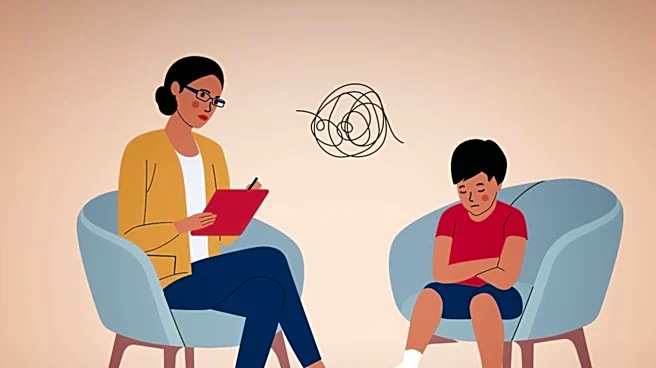







Loneliness is a multifaceted emotional experience that affects individuals across all walks of life. It is often described as an unpleasant emotional response to perceived or actual isolation, and it can occur even when surrounded by others. This article delves into the emotional and psychological dimensions of loneliness, examining its causes, effects, and the distinction between loneliness and solitude.
The Emotional Landscape of Loneliness
Loneliness is often referred to as social pain,
a psychological mechanism that drives individuals to seek social connections. This emotional response is frequently linked to a perceived lack of emotional connection and intimacy. Unlike solitude, which is simply the state of being alone, loneliness is a subjective experience that can occur even in the presence of others. It is this subjective nature that makes loneliness a complex emotional state, as it is not solely dependent on physical isolation.
The causes of loneliness are varied and can include systemic issues, genetic factors, cultural influences, and a lack of meaningful relationships. Additionally, significant life changes, such as the loss of a loved one or excessive reliance on technology, can contribute to feelings of loneliness. Despite its complexity, loneliness is a common experience, affecting people in marriages, strong relationships, and successful careers.
The Psychological Effects of Loneliness
Loneliness can have both transient and chronic effects on an individual's mental health. Transient loneliness, which is temporary, can lead to positive outcomes by increasing one's focus on strengthening relationships. However, chronic loneliness, which persists over time, is associated with negative effects such as increased risk of depression, cardiovascular disease, and high blood pressure. It can also lead to maladaptive social cognition, making it difficult for individuals to maintain or establish new relationships.
Medical treatments for loneliness often include therapy and antidepressants, while social treatments focus on increasing interaction with others through group activities, re-engaging with old friends, or owning pets. These interventions aim to alleviate the psychological burden of loneliness and improve overall well-being.
Distinguishing Loneliness from Solitude
While loneliness and solitude are often conflated, they are distinct experiences. Solitude is the state of being alone and can be a positive experience, providing opportunities for self-reflection and personal growth. In contrast, loneliness is characterized by a desire for social interaction that is unmet, leading to feelings of isolation and disconnection.
Some individuals may seek solitude for its positive effects, such as improved concentration and cognitive state. However, when solitude is unwanted, it can lead to feelings of loneliness. Understanding the difference between these two states is crucial in addressing the emotional and psychological aspects of loneliness and finding ways to foster meaningful connections.