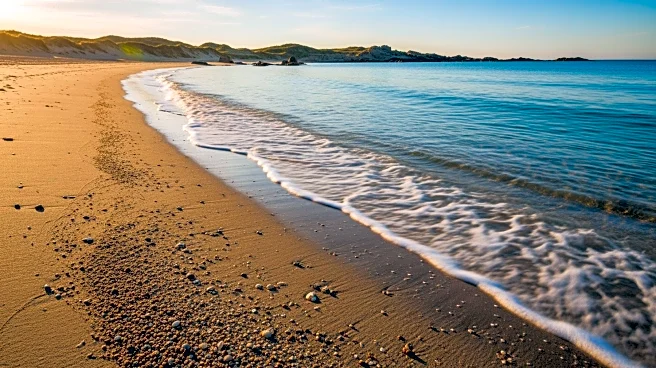

Beaches are dynamic landforms that constantly change due to natural processes. These changes are driven by the interaction of water, wind, and sediment, which shape the coastline over time. Understanding
how beaches form and evolve helps us appreciate their beauty and complexity. This article delves into the natural processes that contribute to the formation and evolution of beaches, highlighting the roles of erosion, accretion, and catastrophic events.
The Role of Erosion and Accretion
Erosion and accretion are fundamental processes in the formation and evolution of beaches. Erosion occurs when waves and currents remove sediment from the shoreline, reshaping the beach. This process can be gradual or sudden, depending on the intensity of the waves and the composition of the beach material. For instance, beaches with finer sand are more susceptible to erosion than those with larger pebbles or rocks.
Accretion, on the other hand, involves the deposition of sediment along the shoreline. This process can occur through the action of waves and currents that transport sand and other materials from offshore sources. Over time, accretion can lead to the expansion of a beach, creating new landforms such as sandbars and dunes. The balance between erosion and accretion determines the overall shape and size of a beach.
Impact of Catastrophic Events
Catastrophic events like tsunamis, hurricanes, and storm surges can dramatically alter the landscape of a beach. These events often result in significant erosion, stripping away large amounts of sand and sediment in a short period. For example, a tsunami can inundate a beach, removing years of accumulated sediment and reshaping the coastline.
Hurricanes and storm surges can also cause severe erosion, particularly when they coincide with high tides. The powerful waves generated by these events can erode dunes and cliffs, leading to the loss of beach habitat. While these events can be destructive, they also play a role in the natural cycle of beach evolution, contributing to the redistribution of sediment along the coast.
Long-Term Changes and Human Influence
Over the long term, beaches undergo continuous change due to natural processes and human influence. Sea-level rise, driven by climate change, is expected to accelerate beach erosion and alter coastal landscapes. Human activities, such as coastal development and the construction of seawalls, can also impact beach evolution by disrupting natural sediment transport processes.
Efforts to manage and preserve beaches often involve balancing the needs of human development with the natural dynamics of coastal systems. Strategies such as beach nourishment and dune restoration aim to enhance the resilience of beaches to erosion and sea-level rise. By understanding the natural processes that shape beaches, we can better protect these valuable ecosystems for future generations.