
Oral rehydration therapy (ORT) is a simple yet highly effective treatment for dehydration, particularly due to diarrhea. This article delves into the components of ORT and the physiological mechanisms
that make it work.
Key Components of ORT
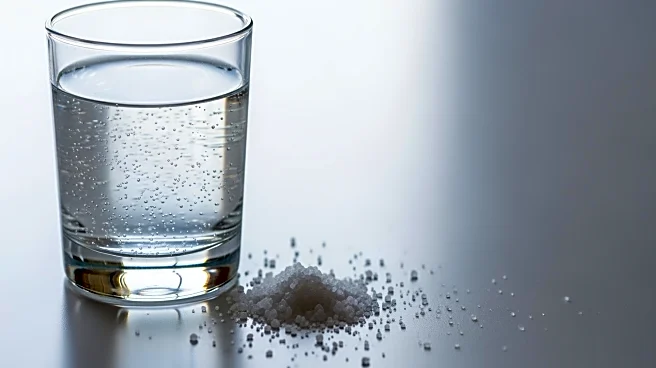
The standard oral rehydration solution (ORS) is composed of water, sugar, and salts, specifically sodium and potassium. The recommended formulation includes sodium chloride, sodium citrate, potassium chloride, and glucose. These components are carefully balanced to ensure optimal absorption and rehydration.
Glucose plays a crucial role in the effectiveness of ORT. It facilitates the uptake of sodium and water in the intestines, which is essential for rehydration. The presence of potassium chloride helps prevent hypokalemia, a common side effect of diarrhea, while sodium citrate helps prevent acidosis. In some cases, glucose can be replaced by sucrose, and sodium citrate by sodium bicarbonate, although these alternatives are not as stable in high-humidity environments.
Physiological Mechanism
The effectiveness of ORT lies in its ability to leverage the body's natural absorption processes. The sodium-glucose co-transport mechanism in the intestines is key to this process. Sodium and glucose are absorbed together through the SGLT1 protein in the intestinal epithelial cells. This co-transport is crucial because it allows for the simultaneous absorption of water, which follows sodium to maintain osmotic balance.
Once inside the cells, sodium is actively transported into the extracellular space via the sodium-potassium pump. This process creates a gradient that facilitates further absorption of sodium and water. The presence of glucose is essential for this mechanism, as it enables the co-transport of sodium, which would otherwise be inefficient.
Clinical Application and Efficacy
ORT is less invasive than intravenous fluid replacement and is particularly effective for mild to moderate dehydration. It is recommended that individuals receiving ORT begin eating within six hours and return to a full diet within 24 to 48 hours. This approach not only aids in rehydration but also supports nutritional recovery.
The efficacy of ORT is well-documented, with studies showing that it can reduce the mortality rate of diarrhea by as much as 93%. Despite its simplicity, ORT remains a cornerstone in the treatment of dehydration, particularly in resource-limited settings where access to medical care is restricted.
In conclusion, the components and mechanism of oral rehydration therapy highlight its effectiveness as a treatment for dehydration. By understanding how ORT works, healthcare providers can better utilize this life-saving intervention to combat dehydration and its associated complications.