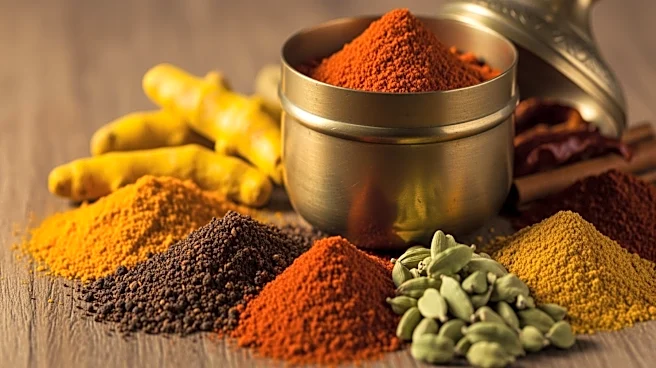


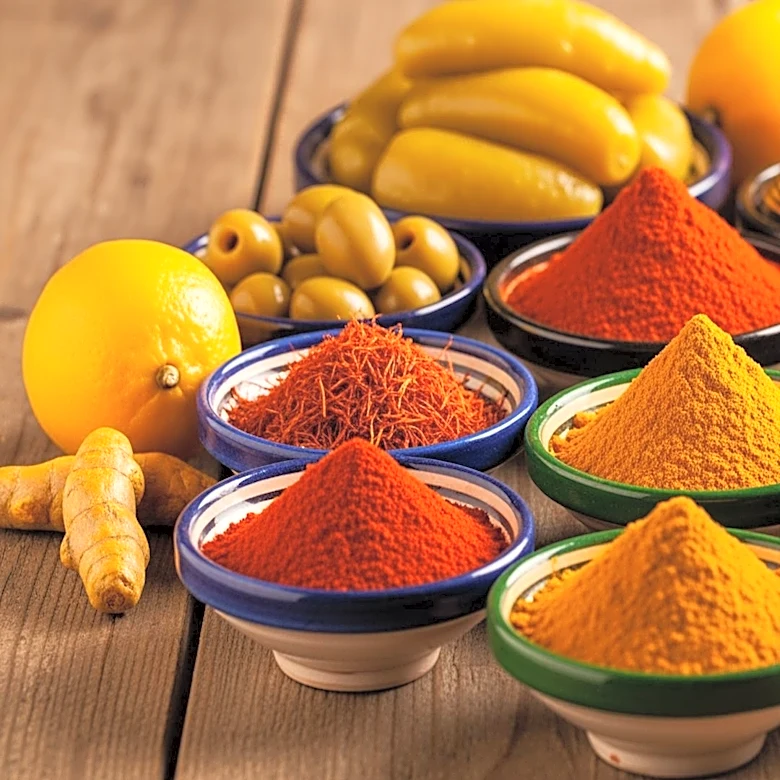
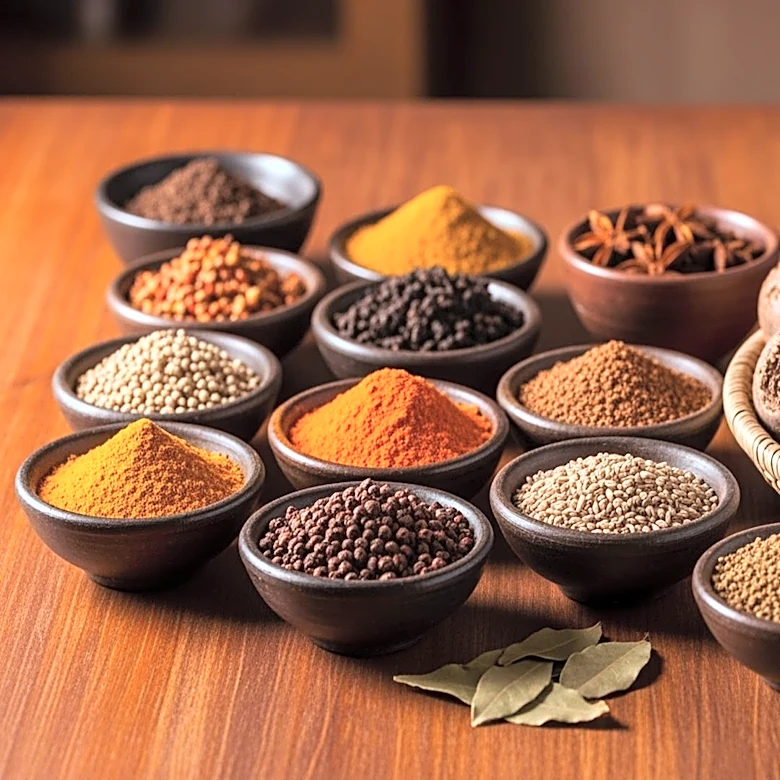



Malaysian Indian cuisine is a vibrant and flavorful culinary tradition that reflects the diverse influences of Indian immigrants in Malaysia. Predominantly inspired by South Indian cooking, this cuisine is characterized by its rich use of spices, coconut, and aromatic herbs. Malaysian Indian cuisine offers a unique blend of traditional Indian dishes and local adaptations, making it an integral part of Malaysia's multicultural food scene.
The Influence of South Indian Cooking
The majority
of Malaysia's Indian community hails from South India, particularly Tamil Nadu, and this is reflected in the cuisine's strong South Indian influences. Dishes are often seasoned with curry leaves, whole and powdered spices, and fresh coconut in various forms. Ghee, a type of clarified butter, is traditionally used for cooking, although vegetable oils are now more common.
Banana leaf meals are a hallmark of Malaysian Indian cuisine, where rice is served on a banana leaf with an assortment of vegetables, curried meat or fish, pickles, and papadum. This style of dining emphasizes communal eating and is a popular choice for special occasions and celebrations.
Iconic Dishes and Regional Variations
Malaysian Indian cuisine boasts a variety of iconic dishes that have become staples in the local diet. Roti canai, a type of flatbread, is a popular breakfast item, often served with dhal curry or sambal. Another favorite is nasi kandar, a meal of steamed rice served with a variety of curries and side dishes, showcasing the rich flavors and spices of Indian cooking.
The cuisine also includes unique adaptations, such as Maggi goreng, a Mamak-style stir-fried noodle dish using instant noodles. This dish exemplifies the creativity and adaptability of Malaysian Indian cuisine, blending traditional Indian flavors with local ingredients.
Cultural Significance and Modern Trends
Malaysian Indian cuisine is deeply intertwined with cultural and religious practices. Many dishes are prepared for festivals and religious celebrations, such as Deepavali, where sweets like laddu and gulab jamun are enjoyed. The cuisine also reflects the diverse dietary preferences within the Indian community, with vegetarian options widely available.
In recent years, there has been a growing interest in healthier and more sustainable food practices, leading to an increased focus on vegetarian and vegan options within Malaysian Indian cuisine. This trend highlights the adaptability of the cuisine, embracing modern dietary preferences while preserving its rich culinary heritage.
Malaysian Indian cuisine continues to thrive, offering a rich tapestry of flavors and cultural significance that is celebrated by Malaysians of all backgrounds.