


The history of computers is a fascinating journey from massive machines to the compact devices we use today. This evolution has been marked by significant technological advancements, starting with the first generation of computers in the 1940s and continuing to the present day. Each generation brought new innovations that transformed how computers function and their role in society.
The First Generation: Vacuum Tubes and the Birth of Computing
The first generation of computers, which spanned from 1945 to 1956,
was characterized by the use of vacuum tubes. These early machines, like the ENIAC, were massive, occupying entire rooms and consuming large amounts of electricity. The ENIAC, often considered the first general-purpose digital computer, was developed by John W. Mauchly and J. Presper Eckert at the University of Pennsylvania. It was capable of performing five thousand additions per second, a remarkable feat at the time.
Despite their size and power consumption, these computers laid the groundwork for future developments. They were programmed using machine language, a complex and time-consuming process. The UNIVAC I, introduced in 1951, was the first commercially available computer, marking a significant step towards the widespread use of computers in business and government.
The Transition to Transistors: The Second Generation
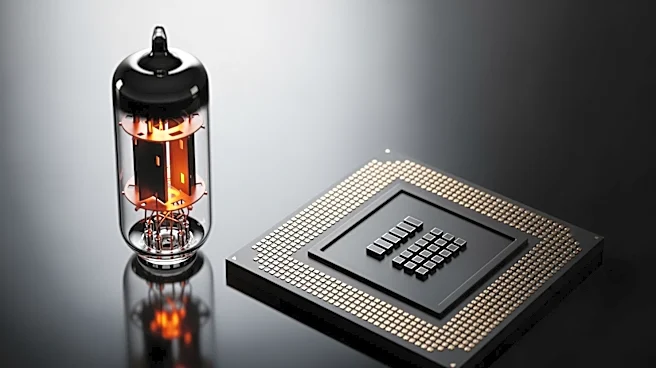
The second generation of computers, from 1955 to 1964, saw the replacement of vacuum tubes with transistors. This change made computers smaller, more reliable, and less power-hungry. Transistors allowed for the development of more advanced programming languages, known as high-level languages, which simplified the programming process.
During this period, computers became more accessible to businesses and research institutions. The introduction of the IBM 701 and other models helped establish IBM as a leader in the computing industry. These machines used magnetic core memory, which improved data storage and retrieval, further enhancing their capabilities.
The Rise of Integrated Circuits and Microprocessors
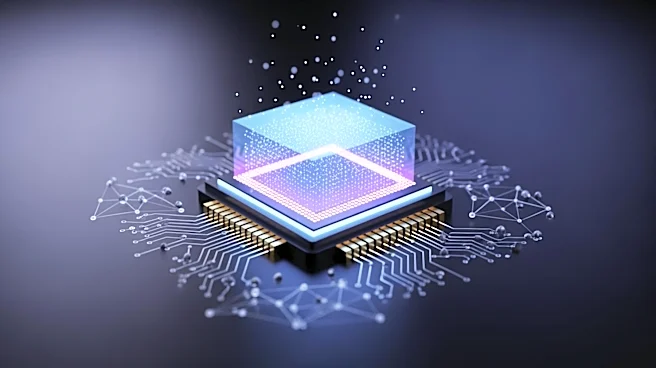
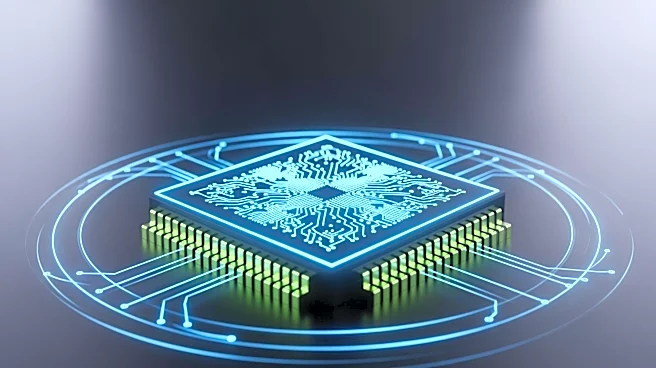
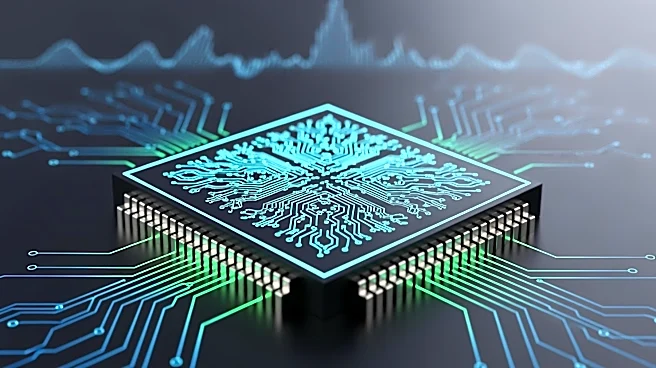
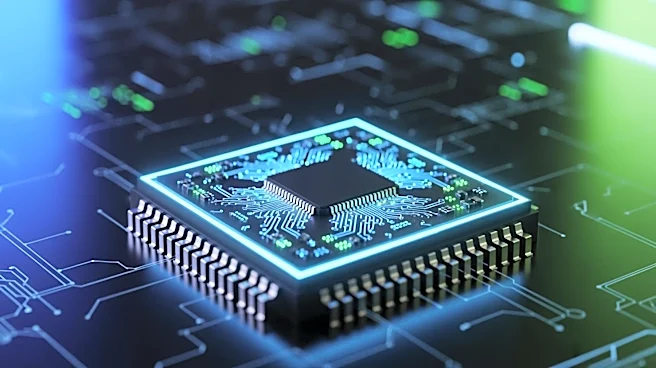
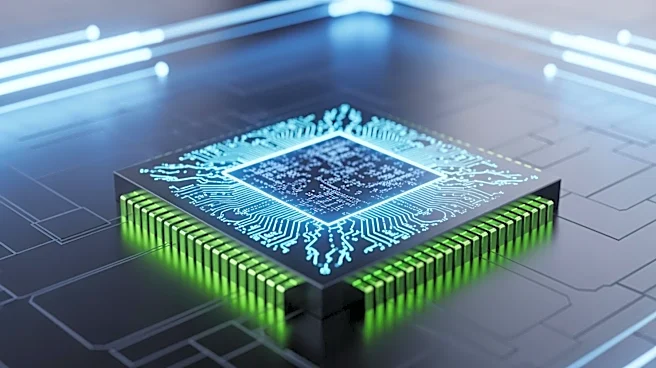
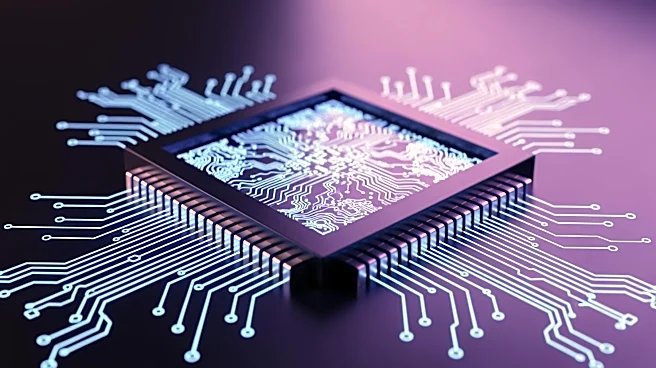
The third and fourth generations of computers, spanning from 1964 to 1981, were defined by the development of integrated circuits and microprocessors. Integrated circuits allowed for the miniaturization of computer components, leading to the creation of smaller and more powerful machines. The introduction of the microprocessor in 1971 revolutionized computing by integrating the functions of a computer's central processing unit onto a single chip.
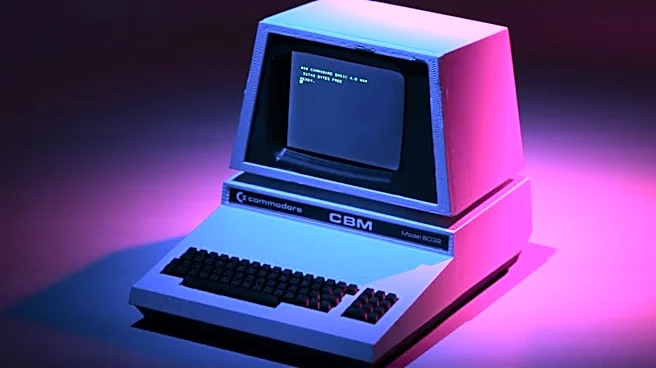
This era saw the emergence of personal computers, making computing technology accessible to the general public. The development of the Intel 4004 microprocessor was a pivotal moment, enabling the creation of affordable and versatile computers. These advancements set the stage for the rapid growth of the computer industry and the proliferation of computers in homes and offices worldwide.