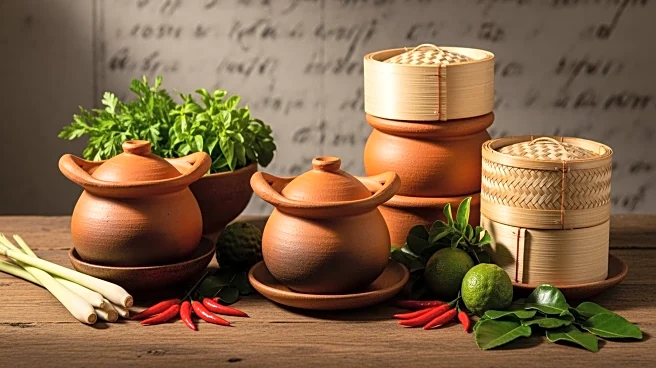




Thai cuisine, renowned for its vibrant flavors and aromatic dishes, has a rich history that reflects the cultural exchanges and influences that have shaped Thailand over the centuries. From the introduction of spices by Indian traders to the impact of Chinese immigrants, the evolution of Thai cuisine is a fascinating journey through time. This article explores the historical development of Thai cuisine and the key influences that have contributed
to its unique character.
Early Influences and Indian Connections
The early history of Thai cuisine is closely linked to the culinary traditions of its neighbors, particularly India. Indian traders and travelers brought with them a variety of spices and cooking techniques that were eagerly adopted by the Thai people. The use of spices in Thai food, as well as the preparation of herbal medicines, can be traced back to these early interactions with Indian culture.
According to historical accounts, certain plants and ingredients, such as sarabhi, panika, and phikun, were introduced to Thailand from India. These ingredients became integral to Thai cooking, adding depth and complexity to the flavors that define the cuisine today.
The Chinese Influence and the Introduction of Noodles
The arrival of Chinese immigrants in Thailand brought about significant changes in the country's culinary landscape. Chinese cooking techniques, such as stir-frying and steaming, were incorporated into Thai cuisine, leading to the creation of new dishes and flavors. Noodles, a staple of Chinese cuisine, became a popular addition to the Thai diet, with dishes like pad thai and kuaitiao becoming household favorites.
The influence of Chinese cuisine is also evident in the use of soy sauce, tofu, and other ingredients that have become staples in Thai cooking. These elements have been seamlessly integrated into traditional Thai dishes, creating a fusion of flavors that is both unique and delicious.
Western Impact and the Introduction of Chili Peppers
The 16th and 17th centuries marked a period of increased interaction between Thailand and Western countries, particularly Portugal and Spain. During this time, chili peppers were introduced to Thailand from the Americas, forever changing the flavor profile of Thai cuisine. The addition of chili peppers added a new level of spiciness to Thai dishes, making them more vibrant and exciting.
Western influences also led to the creation of dishes like foi thong and sangkhaya, which are adaptations of Portuguese desserts. These dishes showcase the ability of Thai cuisine to adapt and incorporate new flavors while maintaining its distinct identity.
In conclusion, the historical evolution of Thai cuisine is a testament to the country's rich cultural heritage and its ability to embrace and adapt to new influences. From its early Indian connections to the impact of Chinese and Western cultures, Thai cuisine has developed into a diverse and flavorful culinary tradition that continues to captivate food lovers around the world.