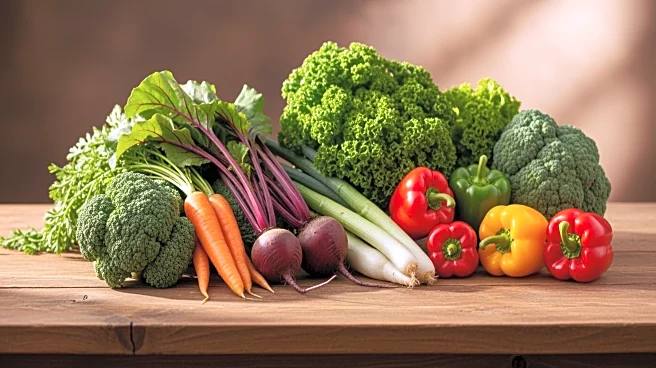




Vegetables have played a crucial role in human history, from their early use by hunter-gatherers to their cultivation in modern agriculture. This article explores the historical development of vegetable cultivation and its impact on human societies.
Early Use and Cultivation
Before the advent of agriculture, humans were primarily hunter-gatherers, foraging for edible plants and hunting animals for sustenance. Vegetables, in the form of wild plants, were an essential part of their
diet. As humans began to settle and develop agricultural practices, they started cultivating local plants, leading to the domestication of various vegetable species.
The transition from foraging to farming marked a significant turning point in human history. It allowed for the development of stable food sources and the growth of civilizations. Early agricultural societies cultivated vegetables that were native to their regions, gradually expanding their diets through trade and exploration.
Global Spread and Trade
As trade routes developed, vegetables from different parts of the world began to spread across continents. This exchange of crops introduced new flavors and nutrients to various cultures, enriching their diets. For example, the introduction of tomatoes and avocados from the Americas to Europe and Asia had a profound impact on culinary traditions.
The global trade of vegetables also led to the cultivation of exotic crops in new regions. Farmers adapted their agricultural practices to grow these new vegetables, contributing to the diversity of crops available today. This exchange of agricultural knowledge and resources played a vital role in shaping modern agriculture.
Modern Agriculture and Production
Today, vegetables are grown worldwide, with China being the largest producer. Advances in agricultural technology have allowed for the cultivation of vegetables in diverse climates and environments. Protected environments, such as greenhouses, enable the growth of crops in less suitable locations, ensuring a steady supply of vegetables year-round.
The scale of vegetable production varies from small subsistence farms to large agribusinesses. This diversity in production methods ensures that vegetables remain a staple in diets across the globe. As awareness of the health benefits of vegetables grows, their importance in human nutrition continues to be emphasized.
In conclusion, vegetables have been an integral part of human history, shaping diets and agricultural practices for millennia. Their journey from wild plants to cultivated crops highlights the adaptability and innovation of human societies in meeting their nutritional needs.