



Pattern making has been an integral part of fashion design for centuries, evolving significantly over time. From its early beginnings to the modern techniques used today, the process of creating patterns has undergone numerous transformations. This evolution reflects changes in technology, fashion trends, and consumer demands, shaping the way garments are designed and produced.
Early Beginnings and Traditional Methods
The origins of pattern making can be traced back to the early days of garment
construction, where simple templates were used to guide the cutting of fabric. These early patterns were often hand-drawn and required a high level of skill and precision. The process was labor-intensive, with each pattern being crafted individually to fit the specific measurements of the wearer.
Traditional pattern making involved the use of basic tools such as rulers, curves, and straight-edges. The flat-pattern method was commonly used, where patterns were drafted on a flat surface using precise measurements. This method allowed for the creation of basic garment shapes, which could then be modified to develop different styles.
The Impact of Industrialization
The industrial revolution brought significant changes to the fashion industry, including the way patterns were made. The introduction of mass production techniques required patterns to be standardized and easily reproducible. This led to the development of pattern grading, a process that allows patterns to be adjusted for different sizes.
During this period, companies like Butterick and Simplicity began selling pre-graded patterns directly to consumers. These patterns were printed on tissue paper and included multiple sizes, making it easier for home sewers to create garments. The availability of commercial patterns democratized fashion, allowing more people to participate in garment making.
Modern Advances and Technology
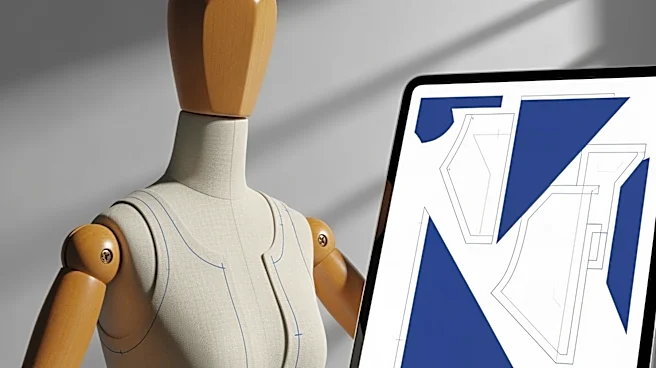
In recent decades, technology has revolutionized pattern making. The advent of computer-aided design (CAD) software has enabled designers to create and modify patterns with greater accuracy and efficiency. This technology allows for precise pattern grading and the creation of complex garment shapes that would be difficult to achieve by hand.
Pattern digitizing has also become an essential part of the process, allowing patterns to be archived and shared digitally. This ensures that patterns are preserved and can be easily reproduced, facilitating communication between designers and manufacturers.
Today, pattern making continues to evolve, with new techniques and technologies constantly emerging. Despite these changes, the core principles of pattern making remain the same, rooted in the art and science of garment construction. As the fashion industry continues to innovate, pattern making will undoubtedly adapt, reflecting the ever-changing landscape of fashion design.