




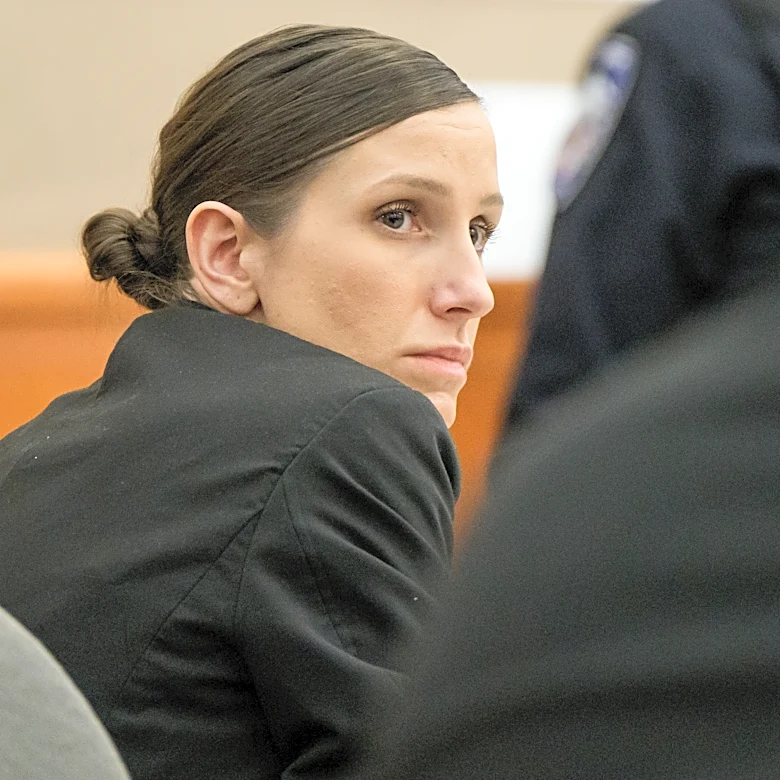




The case of Kermit Gosnell, a physician convicted of multiple murders and illegal abortion practices, exposed significant failures in the legal and regulatory systems meant to protect patients. This article delves into the oversights and lapses that allowed Gosnell's crimes to continue for years, highlighting the need for stricter enforcement and oversight in the medical field.
Regulatory Oversight and Lapses
Kermit Gosnell operated the Women's Medical Society Clinic in West Philadelphia,
where he performed illegal late-term abortions and committed numerous other crimes. Despite the appalling conditions and illegal activities at the clinic, state officials failed to inspect or regulate Gosnell's practices for over 15 years. Reports indicate that the Pennsylvania Department of Health had not visited or inspected Gosnell's clinic since 1993.
The grand jury report noted that the medical examiner of Delaware County had alerted the Pennsylvania Department of Health about an illegal abortion performed by Gosnell on a 14-year-old girl who was 30 weeks pregnant. However, no action was taken. The report also highlighted that the department did not act when they became aware of Gosnell's involvement in the death of Karnamaya Mongar, a patient who died following an abortion procedure.
Legal and Criminal Proceedings
In 2011, Gosnell, his wife Pearl, and eight employees were charged with a total of 32 felonies and 227 misdemeanors related to numerous deaths, illegal abortion procedures, and regulatory violations. The charges included first-degree murder in the deaths of three infants, involuntary manslaughter in the death of Karnamaya Mongar, and multiple counts of illegal late-term abortion.
The grand jury report concluded that Gosnell's clinic operated as a corrupt organization within the meaning of racketeering law, citing a pattern of unlawful practices, including the use of unlicensed staff, falsification of records, and regular cases of infanticide. The report also recommended specific regulatory and legislative reforms, including mandatory annual inspections of abortion facilities and stricter enforcement of licensing requirements.
Impact and Reforms
The case of Kermit Gosnell had a significant impact on the regulation of abortion clinics in Pennsylvania and beyond. In response to the grand jury report, Pennsylvania passed a law in 2011 that placed abortion clinics under the same health and safety regulations as other outpatient surgical centers. The law aimed to prevent similar cases of regulatory failure and ensure the safety and well-being of patients.
The case also prompted a national conversation about the oversight of abortion clinics and the potential for abuse in the medical field. In May 2013, Representative Joe Pitts, chair of the health-matters subcommittee of the United States House of Representatives' Energy and Commerce Committee, began an inquiry into states' oversight of abortion clinics.
Conclusion
The case of Kermit Gosnell serves as a stark reminder of the importance of regulatory oversight and the potential for abuse in the medical field. The legal and regulatory failures that allowed Gosnell's crimes to continue for years highlight the need for stricter enforcement and oversight to protect patients and ensure the integrity of the medical profession. The reforms implemented in the wake of the Gosnell case aim to prevent similar tragedies and ensure that clinics operate within the bounds of the law, providing safe and ethical care to all patients.