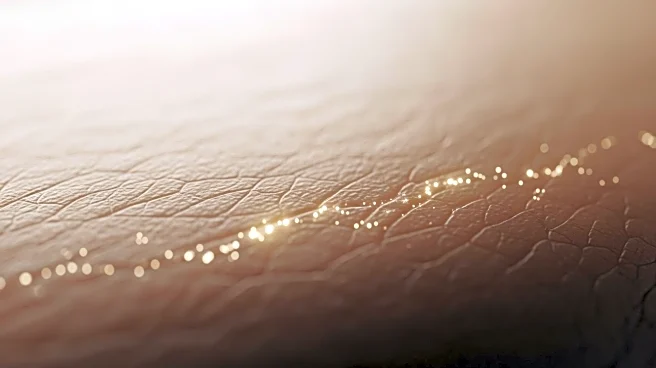




Melanocytes are specialized cells responsible for producing melanin, the pigment that gives skin its color. These cells play a crucial role in determining skin tone and protecting the skin from ultraviolet (UV) radiation. Located in the epidermis, melanocytes synthesize melanin and distribute it to nearby skin cells, influencing pigmentation and providing a natural defense against sun damage.
Melanocytes and Melanin Production
Melanocytes are found in the bottom layer of the skin's
epidermis, known as the stratum basale. They originate from neural crest cells and are also present in other parts of the body, such as the eye, inner ear, and heart. The primary function of melanocytes is to produce melanin through a process called melanogenesis. This pigment is stored in organelles called melanosomes, which are then transferred to keratinocytes, the predominant cell type in the epidermis.
The amount and type of melanin produced by melanocytes determine the color of the skin. There are two main types of melanin: eumelanin, which is brown or black, and pheomelanin, which is red or yellow. The distribution and density of melanosomes in keratinocytes contribute to the wide range of human skin tones. Darker skin tones have more melanosomes, which are larger and more densely packed, while lighter skin tones have fewer, smaller melanosomes.
Protection Against UV Radiation
Melanin serves as a natural sunscreen by absorbing and scattering UV radiation, thereby protecting the skin from DNA damage. When the skin is exposed to UV-B radiation, melanocytes increase melanin production, leading to tanning. This process helps shield the deeper layers of the skin from harmful UV rays, reducing the risk of sunburn and skin cancer.
The action spectrum of sunburn and melanogenesis is similar, suggesting that both processes are triggered by the same mechanism. The absorption spectrum of DNA indicates that cyclobutane pyrimidine dimers, a form of direct DNA damage, may be involved. By producing melanin, melanocytes play a vital role in maintaining skin health and preventing UV-induced damage.
Variations in Melanin Production
While all humans have a similar number of melanocytes, the variation in skin color is due to differences in melanin production and distribution. Hormones such as melanocyte-stimulating hormone (MSH) and adrenocorticotropic hormone (ACTH) regulate melanin synthesis. Conditions like vitiligo and albinism result from disruptions in melanin production, leading to areas of depigmented skin.
Vitiligo is characterized by patches of skin that lack melanin, while albinism involves a genetic deficiency in melanin production, often due to mutations in the tyrosinase enzyme. Understanding the role of melanocytes in pigmentation and UV protection highlights their importance in skin health and the body's defense mechanisms.