






Wyoming, a state in the Mountain West subregion of the Western United States, is known for its diverse geography and unique climate conditions. Despite being the tenth-largest state by area, it is the least populous, offering vast landscapes that range from the Rocky Mountains to high-elevation prairies. The state's climate varies significantly, influenced by its topography and elevation, making it one of the driest and windiest states in the country.
Mountainous Terrain and High Plains
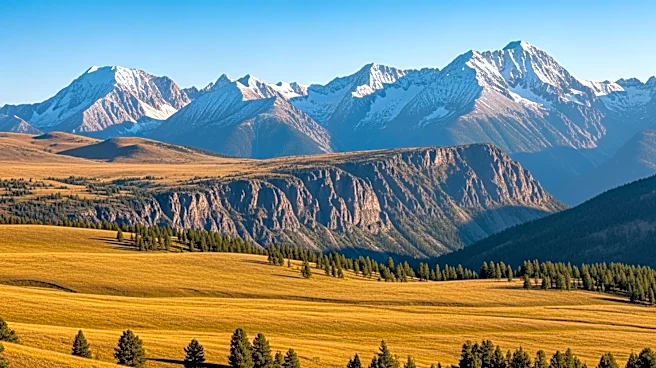
Wyoming's geography is split between the Rocky Mountains in the west and the High Plains in the east. The Rocky Mountains cover the western half of the state, featuring ranges such as the Absaroka, Owl Creek, Gros Ventre, Wind River, and Teton. These mountains provide stunning vistas and are home to some of the state's most famous national parks, including Grand Teton and Yellowstone.
The eastern half of Wyoming is characterized by high-elevation prairie known as the High Plains. This area is drier and windier than other parts of the United States, with greater temperature extremes. The High Plains offer a stark contrast to the mountainous regions, showcasing vast open spaces and rolling hills.
Climate Variations Across Wyoming
Wyoming's climate is generally semi-arid and continental, with significant variations depending on elevation. Summers are warm, with July temperatures averaging between 80 and 90°F in most areas. However, higher elevations see cooler temperatures, averaging around 70°F. Summer nights are notably cooler, with temperatures dropping to the 50-60°F range.
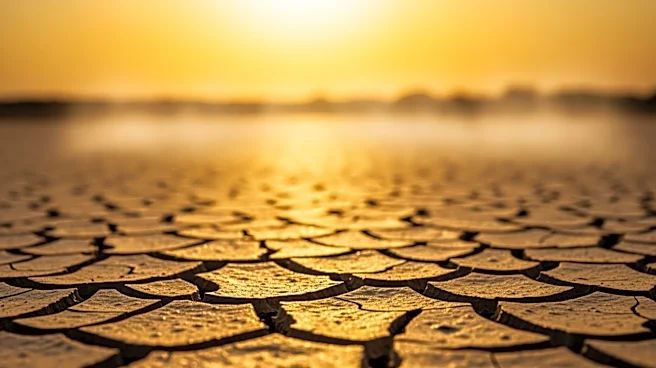
Winters in Wyoming are cold and variable, with periods of extreme cold interspersed with milder conditions. The state's topography contributes to these temperature fluctuations, with Chinook winds occasionally bringing warmer temperatures. Precipitation is generally low, with much of the state receiving less than 10 inches of rainfall annually.
Unique Weather Phenomena
Thunderstorm activity in Wyoming is highest during late spring and early summer, particularly in the southeastern plains. This area is also the most vulnerable to tornado activity, although tornadoes in Wyoming tend to be small and brief compared to those farther east.
The state's highest recorded temperature was 114°F at Basin in 1900, while the lowest was -66°F at Riverside in 1933. These extremes highlight the state's unique climate conditions, shaped by its diverse geography and elevation.