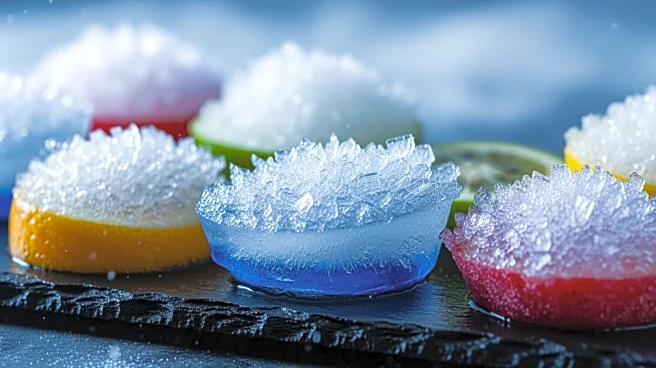




Freeze drying has become an essential process in the food industry, known for its ability to preserve the quality and flavor of food products. This method of dehydration involves freezing the food and then reducing the pressure to allow the ice to sublimate, leaving behind a dry product that retains much of its original characteristics. The process is particularly valued for its ability to maintain the nutritional content and taste of food, making
it a popular choice for preserving high-value products.
The Process and Its Benefits
The freeze drying process begins with the pretreatment of the food, which may involve concentrating the product or adjusting its formulation to enhance stability. The food is then frozen, often slowly, to form large ice crystals that facilitate efficient sublimation. During the primary drying phase, the pressure is lowered, and heat is applied to sublimate the ice. This phase removes about 95% of the water content. The secondary drying phase follows, where any remaining unfrozen water molecules are removed by raising the temperature.
One of the key benefits of freeze drying is that it causes less damage to the food compared to other dehydration methods that use heat. The process preserves the food's structure, flavor, and nutritional content, making it ideal for preserving fruits, vegetables, and other delicate foods. The resulting product is lightweight, easy to transport, and has a long shelf life, making it a convenient option for various applications.
Applications in the Food Industry
Freeze drying is widely used in the food industry to preserve a variety of products. Seasonal fruits and vegetables, which are often limited in availability, are freeze dried to extend their shelf life while maintaining their quality. The process is also used to produce instant coffee and tea, as it preserves the volatile aroma compounds that contribute to their flavor.
In addition to consumer products, freeze dried foods are a staple in military rations and astronaut meals. The lightweight nature of freeze dried foods makes them ideal for long journeys, where space and weight are at a premium. The process has also been used to create a variety of meals and snacks, from shrimp cocktail to butterscotch pudding, providing a diverse range of options for those in challenging environments.
The Future of Freeze Drying
As technology continues to advance, the applications of freeze drying in the food industry are likely to expand. The process offers a unique combination of preserving quality and extending shelf life, making it an attractive option for food manufacturers. With ongoing research and development, freeze drying may become even more efficient and cost-effective, further solidifying its role in the preservation of food products.