



Collagen hybridizing peptides (CHPs) are synthetic peptides designed to target denatured collagen chains. These peptides have a unique ability to bind to various types of collagen that have lost their structured form due to disease, aging, or tissue development. CHPs are particularly useful in research and medical applications, offering insights into collagen's role in tissue remodeling and damage.
Structure and Binding Mechanism
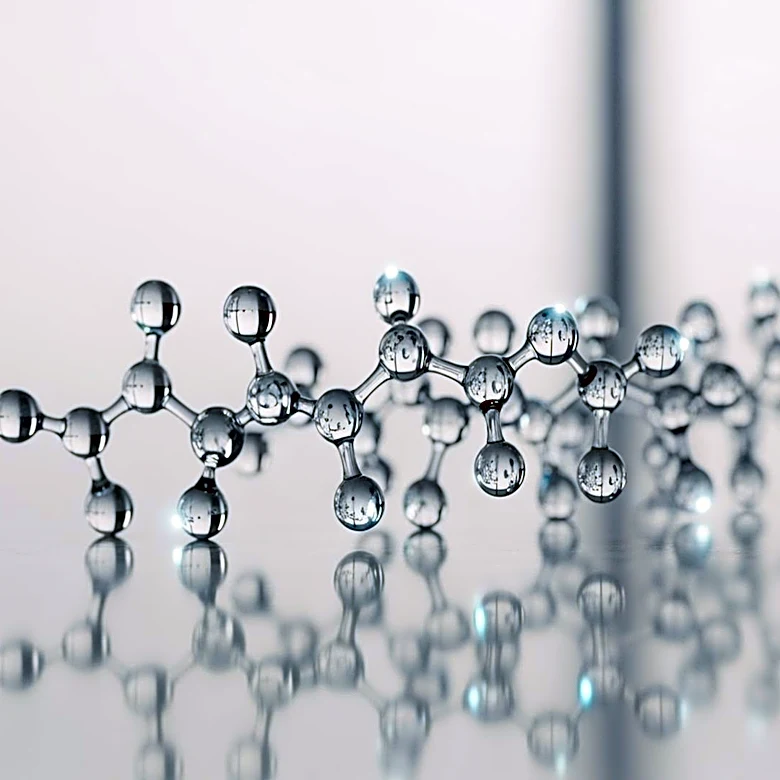
CHPs are composed of repeating units of the Gly-Xaa-Yaa
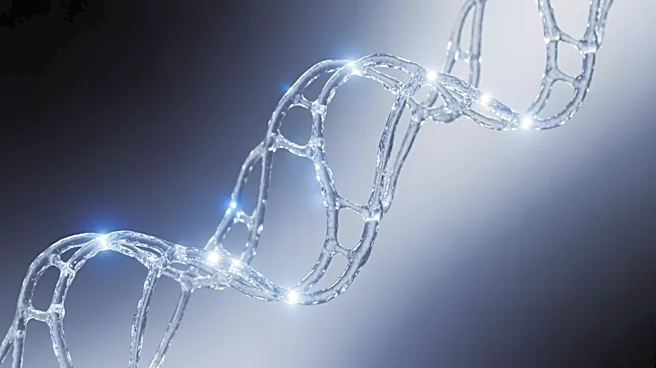
amino acid triplet, mimicking the sequence found in natural collagens. This structure allows CHPs to form a triple helix with denatured collagen strands, similar to the way primers bind to DNA strands during PCR. The binding process involves inter-chain hydrogen bonding, which does not rely on specific sequences or epitopes, enabling CHPs to target a wide range of denatured collagen types.
The ability of CHPs to bind to denatured collagen is due to their high content of proline and hydroxyproline, which promotes the formation of the collagen's unique triple helix conformation. This structural feature is crucial for the recognition and binding of CHPs to unstructured collagen chains, making them effective tools for studying collagen degradation.
Applications in Tissue Staining and Imaging
CHPs are used in tissue staining applications to detect collagen degradation and denaturation. Fluorophore- or biotin-labeled CHPs serve as staining agents in immunofluorescence and immunohistochemistry, allowing researchers to visualize collagen changes in various tissue specimens. These peptides can stain frozen tissue sections, formalin-fixed paraffin-embedded sections, and fresh tissues, making them versatile tools in histopathology.
In addition to tissue staining, CHPs can be labeled with near-infrared fluorophores for in vivo fluorescent imaging. This application enables the visualization of collagen changes in living organisms, providing valuable insights into tissue remodeling processes and disease progression.
Role in Detecting Tissue Damage
Collagen hybridizing peptides play a significant role in detecting mechanical damage to connective tissues. Collagen provides mechanical strength to load-bearing tissues such as tendons, ligaments, and bones. When these tissues are subjected to forces, the collagen triple helix can be damaged and unwind. CHPs allow for molecular-level detection of such damage, offering a method to study the effects of mechanical stress on collagen.
Overall, CHPs are powerful tools in the study of collagen degradation and tissue remodeling. Their ability to bind to denatured collagen across various types and conditions makes them invaluable in research and medical diagnostics, providing insights into the complex processes of tissue development and disease.