






Nigerian cuisine is a vibrant and diverse culinary tradition that reflects the country's rich cultural heritage. With hundreds of ethnic groups contributing to its culinary landscape, Nigerian food is a tapestry of flavors, ingredients, and cooking techniques. From the use of local crops like yam and palm oil to the incorporation of spices and herbs, Nigerian cuisine offers a unique and flavorful experience. This article delves into the key ingredients and popular
dishes that define Nigerian cuisine, showcasing its diversity and depth.
Staple Ingredients in Nigerian Cuisine
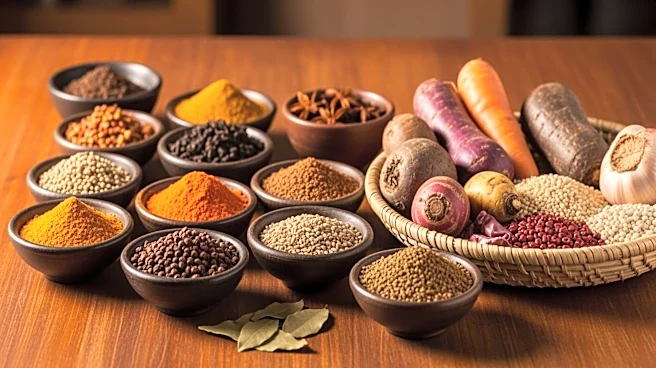
Nigerian cuisine is deeply rooted in the agricultural resources available in the region. Staples like yam, African rice, black-eyed peas, millet, sorghum, okro, egusi, and palm oil are native to Nigeria and form the backbone of many traditional dishes. These ingredients are not only abundant but also versatile, allowing for a wide range of culinary creations. For instance, yam is a staple in many West African countries, including Nigeria, and is used in various forms such as pounded yam, yam porridge, and fried yam.
In addition to native crops, Nigerian cuisine has also embraced introduced crops like cassava and corn, which have become integral to the country's food culture. Cassava, for example, is used to make garri, a popular side dish, while corn is used in dishes like corn pudding and masa. The inclusion of these ingredients highlights the adaptability and evolution of Nigerian cuisine over time.
Popular Nigerian Dishes
Nigerian cuisine is renowned for its flavorful and aromatic dishes, often characterized by the use of spices and herbs. One of the most iconic dishes is jollof rice, a one-pot rice dish cooked with tomatoes, onions, and a blend of spices. Jollof rice is a staple at Nigerian celebrations and gatherings, and its popularity has even sparked friendly rivalries with other West African countries over whose version is the best.
Another beloved dish is suya, a spicy meat skewer that is a favorite street food in Nigeria. Suya is typically made with beef or chicken, marinated in a blend of spices, and grilled to perfection. The result is a smoky, spicy, and savory treat that is enjoyed by many.
The Influence of Ethnic Diversity
The diversity of Nigeria's ethnic groups is reflected in its cuisine, with each group bringing its own unique flavors and cooking techniques. For example, the Yoruba people are known for their bean-based dishes like akara (bean cakes) and moi moi (steamed bean pudding). The Igbo people, on the other hand, are famous for their soups and stews, such as egusi soup, which is made with ground melon seeds and leafy vegetables.
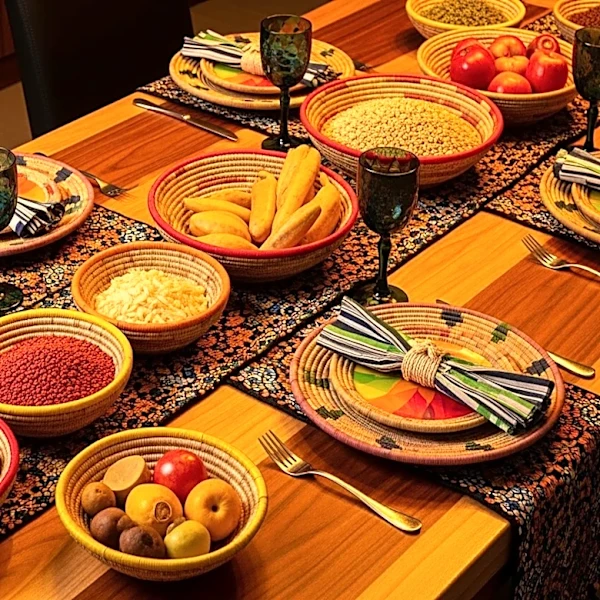
This ethnic diversity not only enriches Nigerian cuisine but also fosters a sense of cultural pride and identity. Nigerian feasts are often colorful and lavish, showcasing the country's culinary heritage and the importance of food in social and cultural gatherings.
In conclusion, Nigerian cuisine is a reflection of the country's rich cultural tapestry, with its diverse ingredients and dishes offering a glimpse into the heart of Nigeria. Whether it's the staple ingredients, popular dishes, or the influence of ethnic diversity, Nigerian cuisine is a celebration of flavor, tradition, and community.