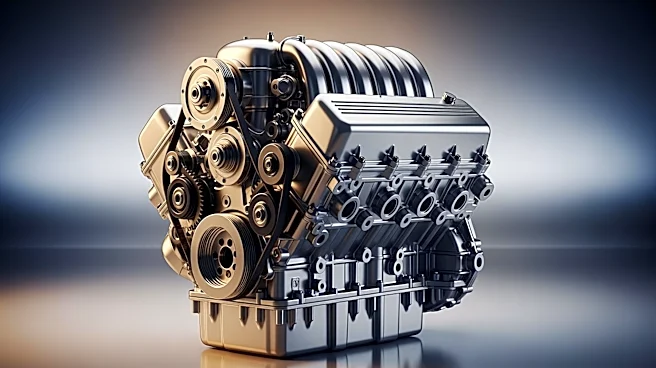






The V12 engine, a marvel of engineering, has a rich history that spans over a century. Initially designed for racing boats in 1904, this twelve-cylinder engine has found its way into various applications, including luxury cars, aircraft, and tanks. Its balanced nature and smooth power delivery have made it a preferred choice for high-performance and luxury vehicles. This article explores the historical development of the V12 engine, highlighting its journey
from the early 20th century to its modern applications.
Early Beginnings and Initial Applications
The V12 engine made its debut in 1904, crafted by Putney Motor Works in London for use in racing boats. Known as the "Craig-Dörwald" engine, it was based on an existing two-cylinder engine design. This early version featured a flathead design, a 90-degree V-angle, and an aluminum crankcase. The engine's ability to reverse its rotation for astern propulsion was a notable feature, especially for marine applications. With a displacement of 18.4 liters and a weight of 430 kilograms, it was a significant engineering achievement of its time.
By 1913, the V12 engine had made its way into automobiles. A custom-built racing car, named 'Toodles V,' competed at the Brooklands circuit in the United Kingdom. This car, entered by Louis Coatalen of the Sunbeam Motor Car Company, set several speed records in 1913 and 1914. The V12 engine in 'Toodles V' had a displacement of 9.0 liters and featured an aluminum crankcase and iron cylinders with L-shaped combustion chambers.
Expansion into Aircraft and Military Use
During World War I, the V12 engine's potential was recognized for aircraft applications. Renault introduced a V12 engine for aircraft in 1912, which featured air cooling and an F-head valve arrangement. The engine's design allowed for improved propeller efficiency, making it a valuable asset for military aviation.
The V12 engine reached its peak in aircraft during World War II, with notable examples like the Rolls-Royce Merlin and the German Daimler-Benz DB 601. These engines were known for their high power outputs, which increased significantly during the war due to advancements in technology and fuel. The V12's smooth operation and low vibrations made it ideal for the light airframes of fighter planes.
Modern Applications and Legacy
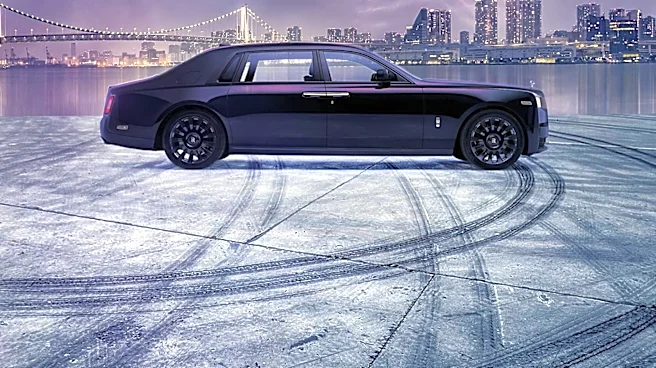
In the post-war era, the V12 engine found a new home in luxury automobiles. Its smooth power delivery and distinctive sound made it a favorite among high-end car manufacturers. The Jaguar V12 engine, produced from 1971 to 1997, is a prime example of the engine's application in luxury cars. This engine powered several Jaguar models, including the XJ series, and was known for its performance and reliability.
Today, the V12 engine continues to be used in select high-performance and luxury vehicles, as well as in marine and stationary power applications. Its legacy as a symbol of engineering excellence and performance endures, making it a fascinating subject for automotive enthusiasts and historians alike.