


Jay Berwanger holds a special place in the annals of college football history. As the first recipient of the Heisman Trophy in 1935, Berwanger set a precedent for excellence in the sport. His achievements on the field and his decision not to pursue a professional career have left a lasting impact on college football. This article delves into Berwanger's legacy and his contributions to the game.
The First Heisman Trophy Winner
In 1935, Jay Berwanger became the first player to receive
the Downtown Athletic Club Trophy, which was later renamed the Heisman Trophy. This award was initially given to the most valuable player east of the Mississippi, and Berwanger's performance on the field made him a deserving recipient. During the 1935 season, he rushed for 577 yards, passed for 405, and returned kickoffs for 359 yards, scoring six touchdowns and adding five extra points.
Berwanger's selection as the first Heisman Trophy winner set a high standard for future recipients. His versatility and skill on the field were unmatched, and his ability to excel in multiple positions made him a standout player. The Heisman Trophy has since become the most prestigious award in college football, and Berwanger's name is forever linked to its history.
A Career Beyond Professional Football
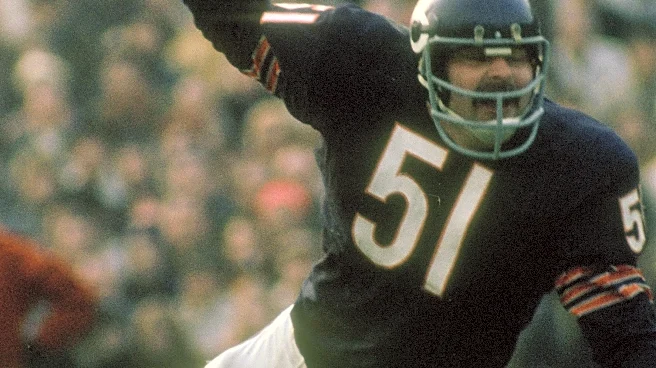
Despite being the first overall pick in the 1936 NFL draft, Jay Berwanger chose not to pursue a professional football career. Drafted by the Philadelphia Eagles, Berwanger's salary demands led to a trade to the Chicago Bears. However, he and Bears owner George Halas could not agree on a contract, and Berwanger decided to focus on other pursuits.
Berwanger's decision to forgo a professional career was influenced by his desire to maintain his amateur status and compete in the 1936 Summer Olympics. Although he did not make the Olympic team, Berwanger's choice to prioritize his personal goals over a professional football career was a testament to his character and values.
Berwanger's Lasting Influence
Jay Berwanger's legacy extends beyond his achievements on the field. After his football career, he became a successful businessman and remained involved in sports as a referee and coach. His modesty and humility were evident in his treatment of the Heisman Trophy, which he left with his aunt, who used it as a doorstop.
Berwanger's impact on college football is still felt today. He was inducted into the College Football Hall of Fame in 1954, and his story continues to inspire future generations of athletes. As the first Heisman Trophy winner, Jay Berwanger's legacy is a reminder of the values of excellence, integrity, and dedication that define the sport of college football.